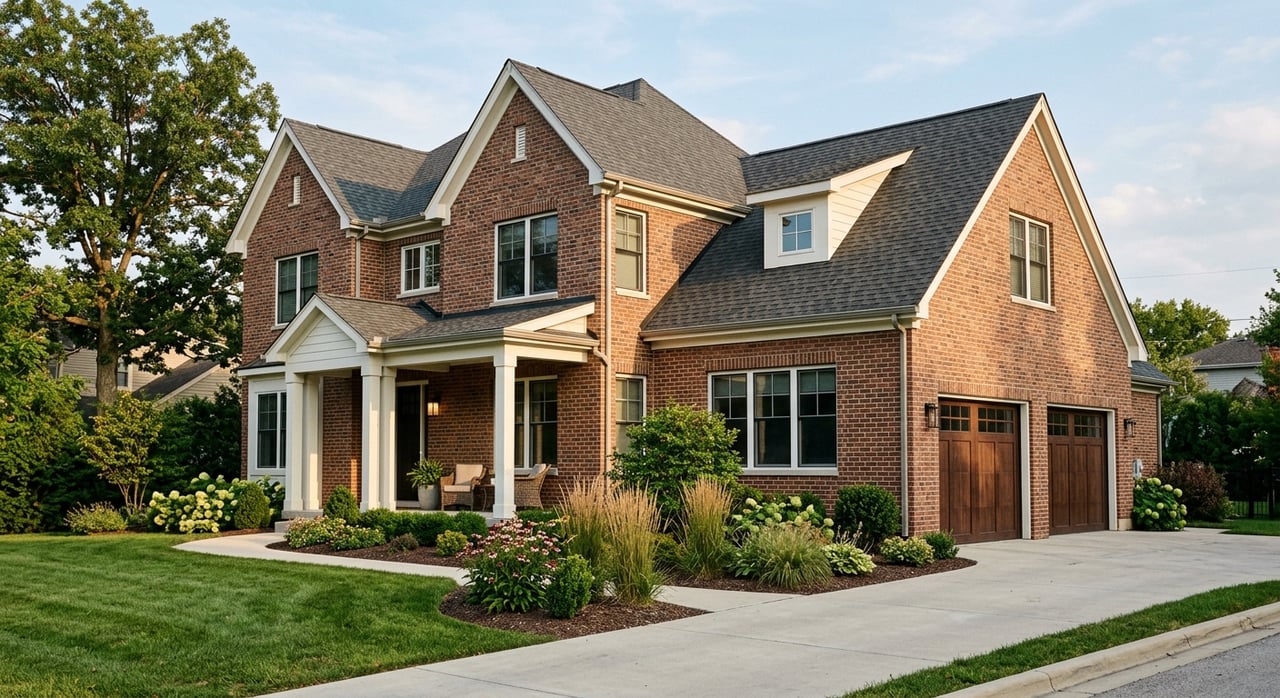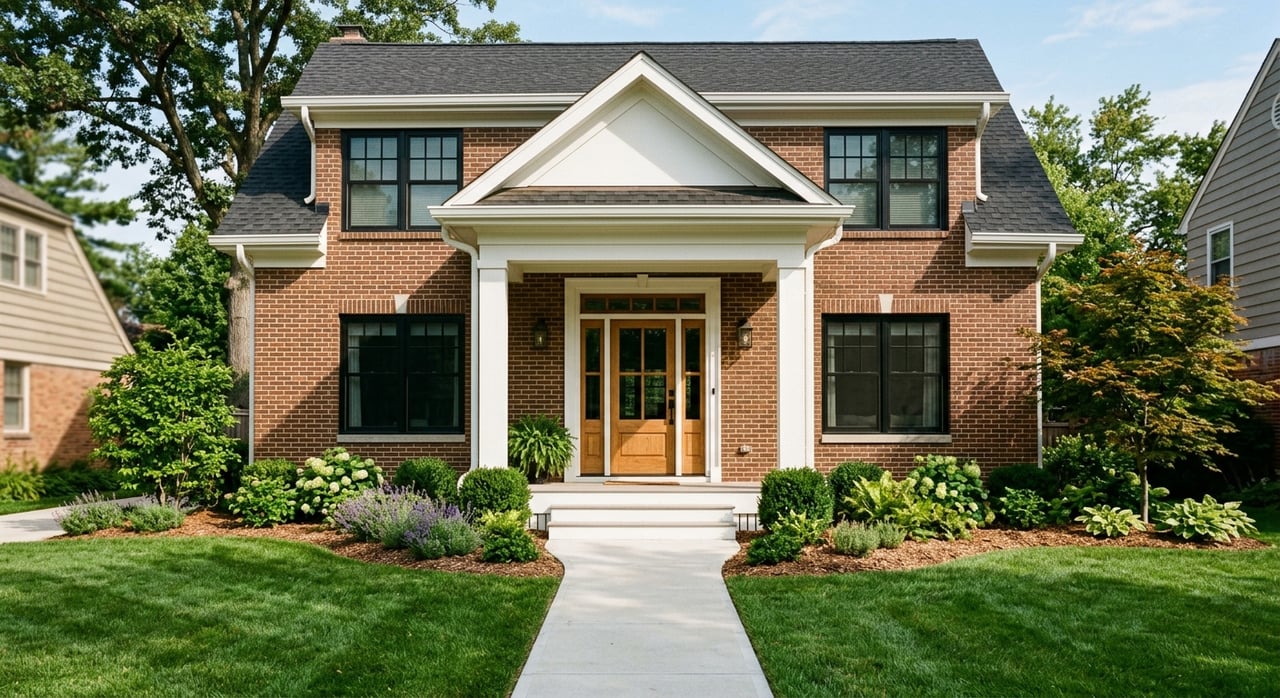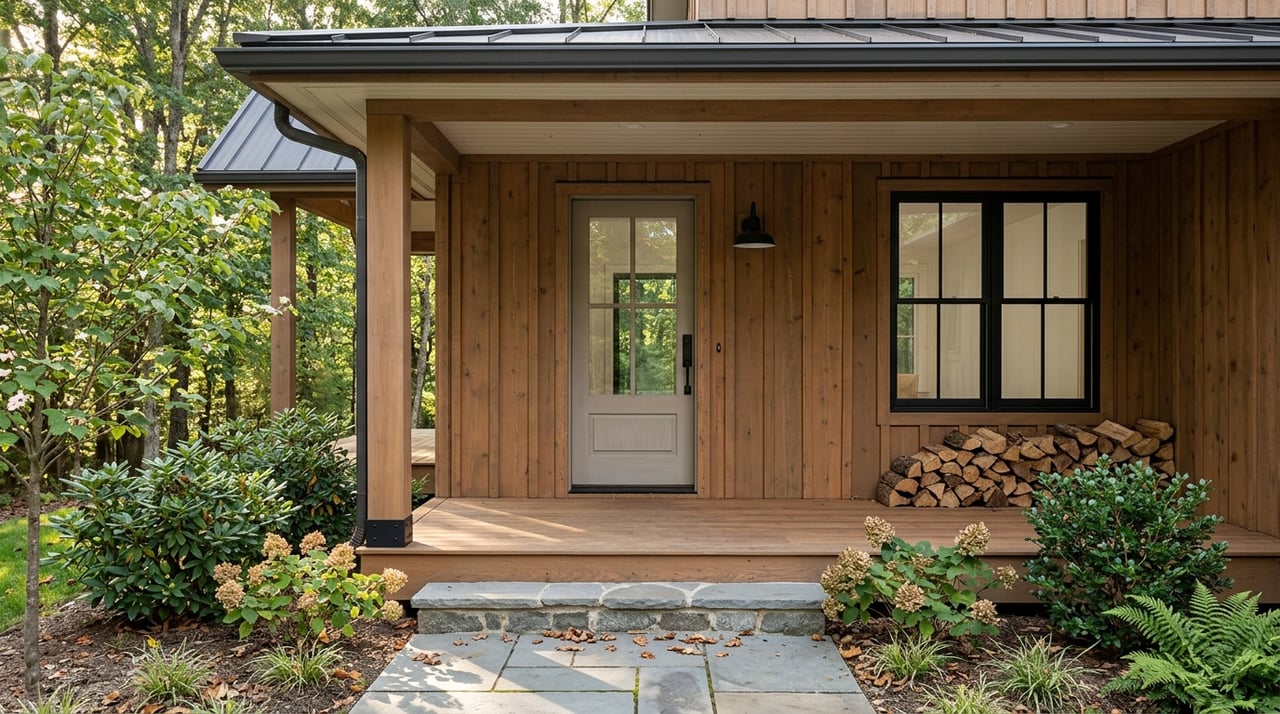
Buying your first home in Maryville can feel exciting and a little intimidating. You want the right neighborhood, a payment you can live with, and a smart plan to compete for the homes everyone else wants too. In this guide, you’ll see where first-time buyers are focusing, what typical budgets buy, which financing programs can help, and what inspections to plan for. Let’s dive in.
Maryville market at a glance
Maryville’s median home value generally sits in the mid to high $300k range. Entry-level choices do pop up, especially smaller cottages and some townhomes under $300k. Inventory has improved from peak seller-market months, yet well-priced homes at entry price points still draw the most attention and can move quickly.
If you are shopping in the under $300k to $400k band, expect more competition on tidy, move-in ready listings. Homes that need updates or are farther from central amenities often give you more room to negotiate.
Where first-time buyers are shopping
College Hill Historic District
If you love historic charm and walkability near Maryville College and downtown, College Hill is worth a look. You’ll find modest cottages and early 20th-century homes, sometimes at sub-$300k price points. Many homes are older, so plan for system updates during ownership. For neighborhood context, read about College Hill’s roots and streetscape from a local history feature on College Hill’s Quaker-era origins.
Downtown, Greenway, and Sandy Springs corridor
Want to be close to restaurants and the Maryville-Alcoa Greenway? This area mixes smaller lots with occasional condos and townhomes that can price below many suburban single-family options. The Maryville-Alcoa Greenway overview highlights the connected parks and bikeable paths that boost day-to-day convenience.
West Maryville and established subdivisions
Across pockets in 37803 and 37804, you’ll see mid-century ranches, split-levels, and newer infill. These areas are popular with buyers who want neighborhood feel and proximity to shopping and parks. Prices run from more affordable older homes to higher updates, with many move-in ready three-bedroom options often in the $300k to $400k range.
Colonial Village and similar mid-market pockets
Subdivisions like Colonial Village represent the mid-market sweet spot for many first-timers. Typical homes include three bedrooms on manageable lots. You get neighborhood stability and a product mix that often aligns with starter-home budgets.
New small-lot homes near 37804
Recent 2020s construction shows up in small-lot subdivisions and modern infill. These homes can reduce immediate maintenance and often come with efficient systems. Some addresses outside city limits may qualify for USDA financing based on eligibility maps. Work with your lender to confirm if a home is in an eligible pocket.
Nearby alternatives: Alcoa, Louisville, and county areas
If you are price-first, look at adjacent areas just outside the Maryville city line. Parts of Alcoa, Louisville, and other Blount County communities can offer slightly lower medians with a short drive to Maryville amenities.
What your budget can buy
Under $300k
- Smaller historic cottages, some modest ranches, and select townhomes or condos.
- Manufactured homes on county lots may appear in this band. Verify utilities, foundation type, and financing options early.
$300k to $400k
- Many three-bedroom single-family homes, including updated ranches and newer small-lot builds.
- A broad selection of townhomes and some condos with lower maintenance.
Ongoing costs to track
- Property taxes in Blount County are relatively modest compared with many U.S. metros, which helps monthly affordability.
- If you consider a townhome or condo, factor in HOA dues when you model monthly costs.
Quick geography note: You will commonly search across 37801, 37803, and 37804. Your agent can refine this by commute, amenities, and property type.
Financing paths that work for first-time buyers
THDA Great Choice and down payment help
Tennessee’s THDA programs are popular with first-time buyers. Great Choice pairs with Great Choice Plus down payment assistance. Options often include a smaller forgivable second loan, commonly referenced around $6,000, or an amortizing second up to program caps. Income and purchase-price limits apply by county. Learn how the program works and find approved lenders on THDA’s homebuyer page.
Tip: Start with a THDA-approved lender to confirm your eligibility and exact Blount County limits before you shop.
3 percent down conventional options
If you have solid income and meet area-median-income limits, 3 percent down conventional programs like HomeReady can be a great fit. You will complete required education and may be able to pair these loans with certain assistance programs. See the overview of options on Fannie Mae’s buyer resource page.
FHA, VA, and USDA basics
- FHA: Minimum 3.5 percent down. Many buyers use FHA plus gift funds or state assistance. If you receive gift funds, your lender will require a gift letter and documentation. Review gift letter basics in HUD guidance hosted here and follow your lender’s checklist.
- VA: Zero down for eligible service members and veterans. This can be a powerful tool in competitive price bands.
- USDA: 100 percent financing for eligible rural addresses. Eligibility is address-specific, so ask your lender to confirm.
Local nonprofit support
If you meet income or location guidelines, local groups can help with education or pathways to affordable ownership. Explore programs at Foothills Community Development Corporation. You can also contact Blount County Habitat for Humanity for information on qualifying opportunities.
Inspections you should plan for
Older homes and East Tennessee conditions make a thorough inspection plan essential. Build these into your offer timeline and budget.
Radon
- East Tennessee has measurable radon potential. Local inspectors often recommend a short-term test during the inspection window. If results exceed the EPA action level, request mitigation or a seller credit. A peer-reviewed study highlights the region’s risk profile for homeowners and buyers. See regional context in this radon research overview.
- Typical mitigation in our area often runs about $900 to $2,500 depending on foundation and complexity. For cost context, review this radon mitigation cost guide.
Wood-destroying organisms (termites/WDO)
- The humid climate and older housing stock make WDO inspections common. Treatment can range from hundreds to low thousands for typical jobs, with higher costs when structural repair is needed. Ask your lender whether a WDO report is required for your loan type.
Crawlspace moisture and localized mold
- Many inspections uncover moisture, missing vapor barriers, or poor drainage. Solutions can include downspout extensions, grading fixes, and in some cases crawlspace encapsulation. Use inspection findings to negotiate sensible credits.
Septic and well systems
- If the home is off municipal services, order a certified septic inspection and well water test. Pumping can be a few hundred dollars, while major leach-field work can be several thousand. Review typical services and fees from a local inspector’s septic overview.
What to budget for inspection add-ons
- Radon test: about $150 to $300
- WDO report: about $75 to $200
- Sewer scope: about $150 to $300
- Septic inspection: about $175 to $500
How to compete and negotiate
Entry-level homes can attract multiple offers. You can stay competitive without giving up key protections.
- Get fully preapproved and include proof with your offer. If you plan to use THDA, include your lender letter.
- Keep inspection contingencies but set a clear, tight timeline. Pre-schedule a radon monitor or sewer scope if needed.
- Prioritize seller credits for repairs instead of asking the seller to fix everything before closing. This can speed acceptance.
- Offer a strong earnest deposit and a reasonable inspection period. Do not waive essential inspections without professional guidance.
Commute, amenities, and everyday life
Many Maryville buyers commute to Knoxville in about 25 to 45 minutes depending on your start point and traffic. Primary routes are Alcoa Highway and Pellissippi Parkway. Ongoing corridor improvements aim to help long-term capacity, though traffic can vary during construction phases.
McGhee Tyson Airport is typically a short 10 to 20 minute drive from most Maryville and Alcoa neighborhoods. Outdoor time is easy to find, from the Maryville-Alcoa Greenway to nearby lakes and the Smokies. Healthcare access includes Blount Memorial Hospital, and Maryville College anchors local arts and community programming.
Ready to map a plan around your budget and priorities? Book a Buyer Consultation with The Cook Team. We will help you target the right micro-markets, connect with the right lender, and position your offer to win.
FAQs
What is a realistic first-time buyer budget in Maryville?
- Many first-timers shop under $300k to $400k. Smaller cottages or some townhomes can fall below $300k, while many three-bedroom single-family homes land in the $300k to $400k range.
Which Maryville areas often have homes under $300k?
- Look at College Hill for smaller historic cottages, and scan select condos or townhomes near downtown and along the Greenway corridor. Inventory changes weekly, so set alerts and act quickly.
Can I use down payment assistance with conventional loans in Maryville?
- Yes. Many buyers use THDA assistance with qualifying loans, and 3 percent down conventional options like HomeReady may work if you meet income and education requirements. Ask your lender to layer programs.
Should I test for radon when buying in Maryville?
- Yes. East Tennessee has measurable radon potential. Order a radon test during your inspection period and request mitigation or a credit if levels exceed the EPA action threshold.
What inspections should I budget for on a rural property near Maryville?
- In addition to a standard home inspection, plan for a WDO report, septic inspection and pumping if needed, and a water test if the property has a well. Add a radon test and sewer scope as appropriate.