Eyeing more space, a bigger yard, or a different school path but not sure if Farragut or West Knoxville is the better move? You are not alone. Many homeowners outgrow their first place and want to level up without losing convenience. In this guide, you will learn how these two areas compare on housing styles, schools, commute, amenities, ownership costs, and resale potential so you can choose with confidence. Let’s dive in.
Quick comparison at a glance
| Category | Farragut | West Knoxville |
|---|---|---|
| Housing age | Mostly 1990s to 2010s | Wider range from mid‑century to new infill |
| Lot sizes | Generally larger suburban lots | Mixed lot sizes, some smaller with higher walkability |
| New construction | Planned subdivisions more common | Selective infill and some new communities |
| Schools | Strong local reputation within Knox County | Varies by neighborhood and zone |
| Commute to downtown | Often longer in peak hours | Typically shorter from closer‑in neighborhoods |
| Walkability | Car‑centric neighborhoods | Pockets with higher walkability near Kingston Pike/Bearden |
| HOAs | Common in many subdivisions | Mix of HOA and non‑HOA areas |
| Amenities profile | Municipal parks, neighborhood clubs, Turkey Creek corridor | Local dining clusters, riverfront parks, quick access to downtown culture |
| Price pattern | Often trades at a premium | More price variety by neighborhood |
Define the map you are comparing
“Farragut” refers to the incorporated town in western Knox County, known for suburban neighborhoods and its own municipal services and planning. “West Knoxville” is a broader, informal term for the western portion of the City of Knoxville and nearby unincorporated areas along or near the Kingston Pike and I‑40 corridor. For this guide, think Bearden, Sequoyah Hills, West Hills, the Northshore corridor, and adjacent pockets east of Farragut.
Housing styles and lot expectations
Farragut housing profile
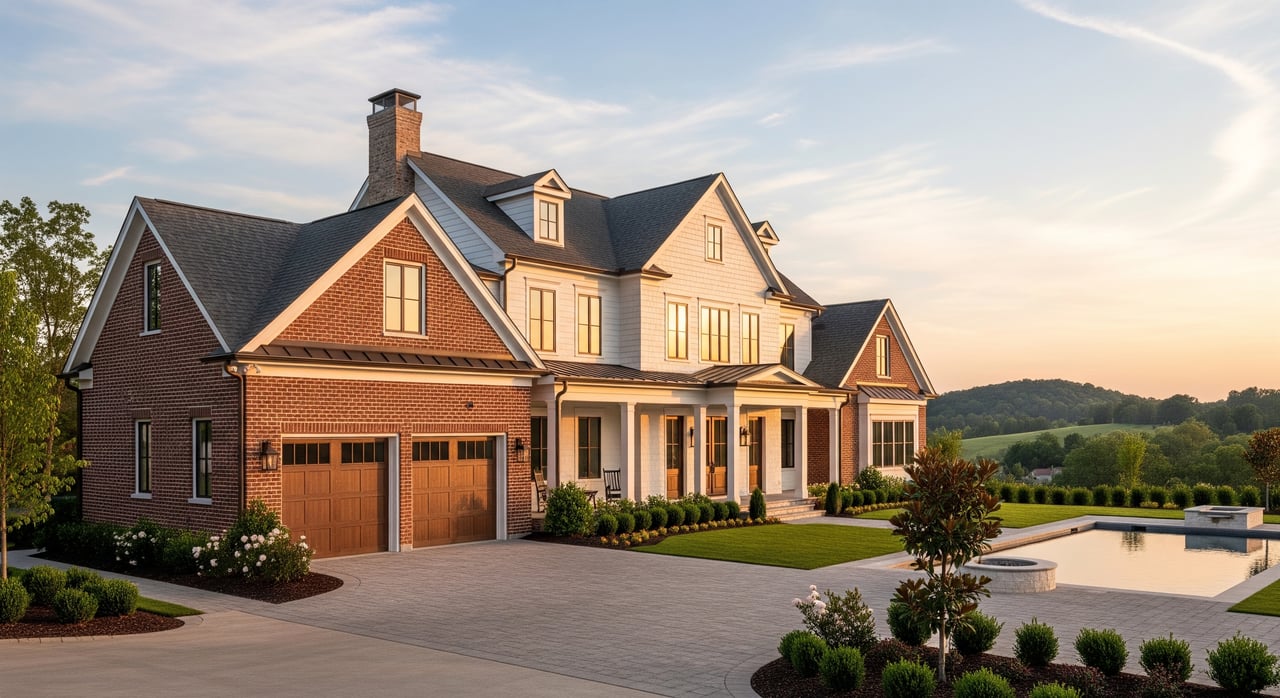
If you want newer builds and planned neighborhoods, Farragut tends to deliver. Many communities feature homes from the 1990s through the 2010s, open layouts, cul‑de‑sac streets, and neighborhood amenities like pools or playgrounds. Lots often run larger than closer‑in West Knoxville areas, with a more uniform suburban feel.
West Knoxville housing profile
West Knoxville offers more variety. You will see established mid‑century homes, bungalows, and character properties shaded by mature trees, plus targeted infill and newer builds in select pockets. Lot sizes range widely. Some areas trade yard size for proximity to local shops, restaurants, and greenways.
Pricing and market dynamics
Farragut often carries a price premium, influenced by newer housing stock, larger lots, and a strong school reputation. West Knoxville is more heterogeneous, with some neighborhoods that rival or exceed Farragut pricing alongside other pockets that are comparatively more attainable. The right choice depends on your exact neighborhood short list, home condition, and your timing in the current 12‑month market cycle.
What to watch before you write an offer
- Compare price per square foot and days on market for your specific subdivision or street.
- Ask how many active listings are competing at your price tier and how quickly similar homes have gone pending.
- Identify whether you are buying new construction or resale, since each follows slightly different pricing and negotiation patterns.
Schools and zoning basics
Many buyers weigh school assignment heavily in a move‑up decision. Farragut is widely known locally for strong‑performing schools within Knox County, which can drive demand. West Knoxville school performance varies by neighborhood, with high‑performing options in several zones and differing outcomes in others. Private school options are available across both areas.
How to confirm your exact assignment
- Check the current Knox County Schools boundary map for your specific address.
- Review Tennessee Department of Education school report cards for performance data and accountability metrics.
- Call the school or district directly to confirm current zoning and any enrollment or capacity considerations.
Commute and transportation
Your daily drive may look different depending on where you land. Closer‑in West Knoxville neighborhoods like Bearden or Sequoyah Hills typically have shorter peak‑hour commutes to downtown Knoxville and the University of Tennessee. Farragut often requires longer eastbound travel during rush hour, though it offers quick access to I‑40 westbound and the Turkey Creek employment and retail corridor. Public transit options exist along key routes, and some West Knoxville pockets support more walk‑or‑bike trips.
Amenities and everyday lifestyle
Farragut leans suburban with municipal parks, community recreation programs, and planned neighborhoods, plus easy access to the Turkey Creek shopping and dining district. West Knoxville mixes local dining clusters along Kingston Pike, riverfront and city parks, and faster access to downtown venues, museums, and events. If you prefer a larger private yard and neighborhood amenities, Farragut often fits. If you want a blend of character homes and proximity to local spots, parts of West Knoxville may appeal.
Cost of ownership and HOA considerations
Expect more HOA‑governed subdivisions in Farragut, which can include community standards and monthly or annual dues. West Knoxville has a mix of HOA and non‑HOA neighborhoods, and older homes can carry higher near‑term maintenance needs like roof or mechanical updates. Property taxes, utilities, and any flood insurance requirements vary by address, so review parcel‑level details before you finalize your budget.
Resale and long‑term value
Areas with stable demand drivers such as strong school assignments, convenient commutes, and well‑kept homes tend to have better resale liquidity. In West Knoxville, some neighborhoods are highly competitive and move quickly, while others are more price sensitive. In Farragut, consistent buyer interest and newer stock can support steady resale performance, though premiums vary by community and market cycle.
Move‑up buyer checklist
Use this to compare short‑listed neighborhoods on apples‑to‑apples terms.
- Define your must‑haves: bedroom count, flex spaces, yard size, garage, and outdoor living.
- Rank trade‑offs: newer build vs character, walkability vs lot size, HOA amenities vs independent ownership.
- Verify school assignment for each specific address and review state report card metrics.
- Map peak‑hour commute times to your primary workplace and routine destinations.
- Review total monthly cost: mortgage, taxes, HOA dues, utilities, and expected maintenance.
- Study neighborhood comps: price per square foot, days on market, and list‑to‑sale trends.
- Ask about nearby development or infrastructure projects that could affect traffic or values.
How a local expert helps you decide
A knowledgeable buyer’s agent can pull subdivision‑level comparables, confirm school boundaries, and arrange targeted tours of both resale and new‑construction options. They can model sell‑then‑buy versus buy‑then‑sell scenarios, surface off‑market opportunities, and brief you on planned projects that may shape traffic or school capacity. If you want a structured path to your next home, connect with The Cook Team to book a Buyer Consultation and get a data‑driven plan tailored to your goals.
FAQs
What should a move‑up buyer compare between Farragut and West Knoxville?
- Focus on housing age and condition, lot size, school assignment, commute routes, HOA rules and fees, and recent resale trends in your exact target neighborhoods.
How do West Knoxville commutes compare to Farragut for downtown or UT?
- Closer‑in West Knoxville neighborhoods often have shorter peak‑hour drives to downtown and the UT campus, while Farragut can take longer eastbound during rush hour.
Are schools stronger in Farragut than West Knoxville overall?
- Farragut has a strong local reputation within Knox County, while West Knoxville performance varies by zone, so verify each address using district boundaries and state report cards.
Will I find more new construction in Farragut or West Knoxville?
- Farragut commonly features planned subdivisions with newer homes, while West Knoxville tends to add selective infill and smaller new communities in established areas.
Do most Farragut neighborhoods have HOAs compared to West Knoxville?
- HOAs are common in many Farragut subdivisions, while West Knoxville includes both HOA and non‑HOA neighborhoods, so review covenants and dues for each address.
Which area offers better walkability and local dining access?
- West Knoxville has pockets with higher walkability and local dining along Kingston Pike and Bearden, while Farragut leans more car‑centric with larger lots and community amenities.
How can I reduce risk when moving up in either area?
- Pair a detailed home inspection with subdivision‑level comps, verify school zones directly, check parcel data for taxes and flood status, and understand nearby development plans before you buy.