What if the perfect North Knoxville home is not one style, but a mix of character, condition, and location that fits your life today and your plans tomorrow? If you are drawn to tree-lined streets, porches with history, or the ease of a midcentury ranch, you are in the right place. In this guide, you will learn how to spot the main home styles across North Knoxville, what to look for during tours, and how to plan inspections, budgets, and renovations with confidence. Let’s dive in.
How North Knoxville is laid out
North Knoxville generally refers to the neighborhoods north of downtown and the I-640 and I-275 corridors. You will find historic, walkable districts close to the city center and larger-lot post-war suburbs farther north. Exact neighborhood boundaries vary by source, so confirm with City of Knoxville resources or local neighborhood associations if you need formal lines.
Market conditions move quickly here. Prices and days on market can shift with interest rates and inventory. For up-to-date trends, check local market reports from the Knoxville Area Association of Realtors. You will see steady interest in walkable historic streets near downtown and strong demand for affordable single-family homes and renovated historic properties.
If you are shopping older homes, plan for both visible and hidden repairs. Historic houses shine with character, but they may need system upgrades. Midcentury and newer homes can be easier to maintain but often have deferred items like HVAC or insulation. If you hope to update exteriors in a historic district, review local guidelines early.
Home styles you will see
Victorian and Queen Anne
- Key features: steep roofs, gables, towers or turrets, asymmetry, decorative wood trim, wrap-around porches, tall windows, and high ceilings. Interiors often include plaster walls and original wood floors.
- Typical issues to check: cracked plaster, foundation settling, outdated wiring such as knob-and-tube, lead-based paint in pre-1978 homes, single-pane windows, porch rot, and moisture intrusion at basements or crawlspaces.
- Renovation notes: these homes can command a resale premium when well preserved, especially in historic districts. Electrical, structural, and window work can be higher cost. Exterior changes may be subject to local historic review.
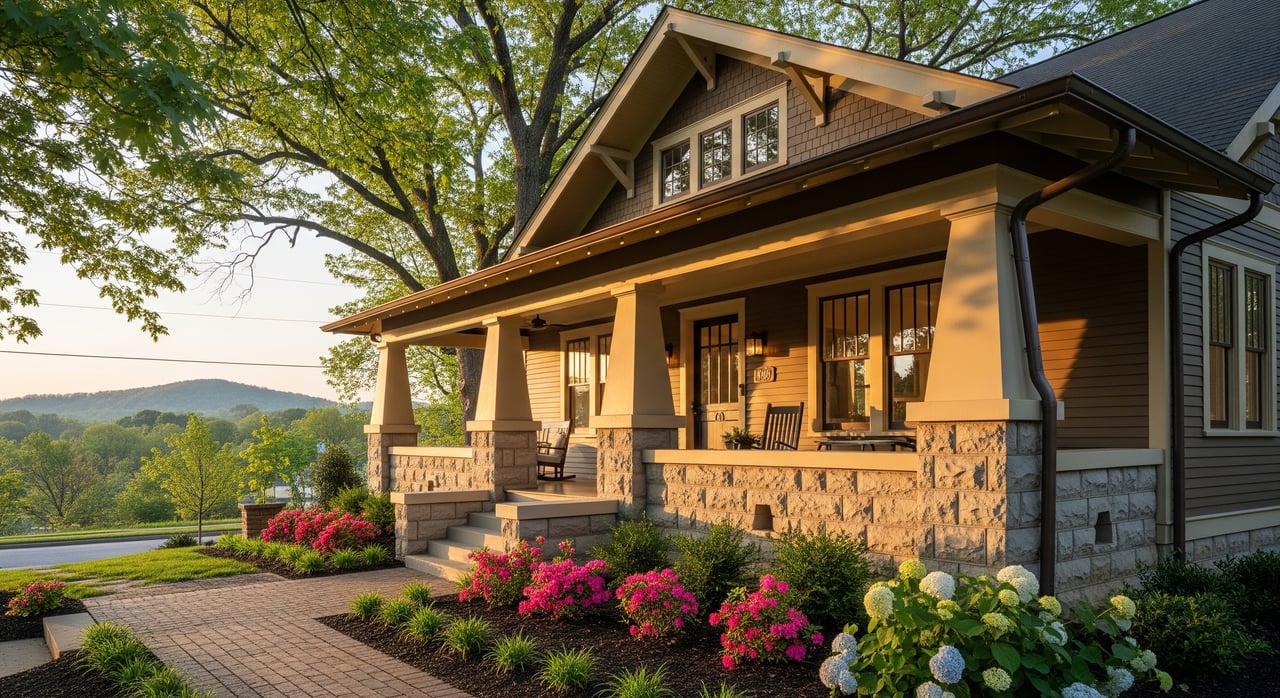
Craftsman and Bungalow
- Key features: low-pitched gabled roofs, wide eaves with exposed rafters or braces, tapered porch columns, built-ins, and rich wood trim. Most are one to one-and-a-half stories.
- Typical issues to check: aging wiring or plumbing, roof and porch wear, and small kitchens and baths that may need modern layouts.
- Renovation notes: very popular for their charm. Many buyers open walls thoughtfully while preserving original millwork and built-ins.
Foursquare and Colonial Revival
- Key features: practical two-story, boxy plans with symmetrical facades and large central dormers or hip roofs. Generous porches are common, along with original hardwoods.
- Typical issues to check: expect similar prewar-home considerations such as wiring, plumbing, and plaster.
- Renovation notes: layouts are straightforward to update. These homes often respond well to kitchen expansions and bath additions.
Tudor Revival and other Period Revival styles
- Key features: steeply pitched roofs, decorative half-timbering with stucco or brick, arched entries, and narrow multi-pane windows.
- Typical issues to check: masonry or stucco repairs can be specialized and more costly. Interiors can feel compartmentalized.
- Renovation notes: plan for careful exterior work and window preservation to maintain style integrity.
Midcentury Ranch and Split-level
- Key features: single-story or split-level layouts, low roofs, attached garages, and larger lots. Later models may have more open living areas and large picture windows.
- Typical issues to check: possible asbestos in some siding, insulation, or floor tiles, older HVAC systems, original single-pane windows, and occasional slab settlement.
- Renovation notes: generally simpler and less expensive to modernize than Victorian or early 1900s homes. Great candidates for energy upgrades.
Contemporary infill, townhomes, and condos
- Key features: modern open plans, newer systems, and smaller lots in walkable areas. You will see townhouses near close-in corridors and single-family infill.
- Typical issues to check: fewer near-term maintenance needs. Resale depends on lot, finishes, and compatibility with neighborhood character.
Quick tour checklists by style
Use these short lists as you walk through homes.
Victorian and Queen Anne checklist
- Look for: plaster cracks, sagging floors, foundation movement, porch rot, and single-pane windows.
- Ask about: age and type of wiring, panel capacity, lead-paint disclosure for pre-1978, past moisture mitigation.
- Plan for: structural review, electrical upgrade bids, and window restoration or weatherization.
Craftsman and Bungalow checklist
- Look for: roof and porch condition, built-in integrity, evidence of past re-wiring or re-plumbing.
- Ask about: age of roof and HVAC, any permits for interior wall changes, and sewer line history.
- Plan for: kitchen and bath updates that respect original trim, plus insulation improvements.
Foursquare and Colonial Revival checklist
- Look for: porch structure, stair and floor movement, original plaster and woodwork condition.
- Ask about: electrical and plumbing updates, chimney inspection history, and attic insulation.
- Plan for: layout tweaks that keep the four-room plan functional while expanding kitchen space.
Tudor and Period Revival checklist
- Look for: stucco or brick cracks, roof condition around valleys and steep pitches, window frames and sills.
- Ask about: any masonry or stucco repairs and who performed them, chimney evaluation.
- Plan for: specialized exterior trades and careful window maintenance or restoration.
Midcentury Ranch and Split-level checklist
- Look for: HVAC age, window efficiency, signs of asbestos materials, and slab or foundation movement.
- Ask about: energy upgrades, prior insulation work, and any plumbing updates from galvanized to copper or PEX.
- Plan for: cost-effective modernization of kitchens and baths, plus window and HVAC improvements.
Contemporary, townhomes, and condos checklist
- Look for: build year, system ages, HOA rules and fees if applicable, parking setup, and storage.
- Ask about: builder warranties, recent maintenance, and exterior responsibilities with any HOA.
- Plan for: low initial maintenance with attention to long-term resale factors like lot and finishes.
Neighborhood snapshots
Old North Knoxville, Fourth & Gill, and the Emory Place corridor
You will find dense, walkable streets with many restored Victorian, Craftsman, and Foursquare homes. Proximity to downtown, shops, restaurants, and transit is part of the appeal. Expect smaller lots and potential historic-district rules for exterior work. Renovation costs can be higher, but well-executed preservation can support long-term value.
Fountain City and areas north of I-640
These areas mix early 20th-century bungalows with substantial midcentury ranches. Lots are often larger and the feel is more suburban while remaining convenient to downtown. Systems in midcentury homes may be older, and you will see newer subdivisions and infill in some pockets.
Transitional areas and newer subdivisions
You will encounter clusters of newer construction mixed with older homes. The draw is a turnkey experience and modern systems. HOA rules can vary, so review covenants if they apply, and confirm building standards by subdivision.
What to ask the seller or listing agent
- What is the age of the roof, HVAC, water heater, and electrical panel? Any recent upgrades?
- Are there permits on record for major work such as structural changes, rewiring, or additions?
- Has the home had a termite or pest treatment, and are there transferable warranties?
- For pre-1978 homes, have there been lead-based paint risk assessments or abatement?
- Has the sewer line been scoped or replaced? If on septic, when was it last serviced?
- In a historic overlay, have any exterior changes received approvals from the local historic body?
Renovation and financing basics
Renovations can range from cosmetic updates to full system overhauls. Typical cost drivers for older homes include structural or foundation repairs, roof replacement, rewiring and panel upgrades, plumbing replacement, HVAC replacement, lead or asbestos abatement, restoration of exterior details, and window work. Because surprises happen in prewar houses, many buyers add a 10 to 20 percent contingency to their renovation budgets.
If you are buying a fixer-upper, certain loans can roll upgrade costs into your mortgage. Options commonly used include FHA 203(k) and Fannie Mae HomeStyle Renovation. Buyers also pair conventional mortgages with separate renovation financing, such as a construction loan or a home equity line after closing. Energy-efficiency programs may be available through local utilities or agencies. Incentives and eligibility change, so check with City of Knoxville, Knox County, and the Tennessee Historical Commission for any current programs.
Permits and historic rules
Many North Knoxville neighborhoods include listed historic districts or local historic overlays. Exterior alterations, additions, and demolition often require review by the City’s historic preservation staff or a historic zoning commission. Interior changes usually are not regulated. Reach out to the City of Knoxville historic preservation office early if you plan exterior work, and always verify permit requirements for structural, electrical, plumbing, or HVAC upgrades.
Planning inspections and insurance
A thorough inspection plan protects your budget.
- General home inspection: evaluate structure, roof, HVAC, plumbing, electrical, and insulation.
- Foundation or structural engineer: useful when you see settling, sagging floors, or major cracks.
- Pest inspection: termites are a concern in Tennessee, so inspect crawlspaces and sill plates.
- Sewer or septic scope: older clay lines and private septic systems may need repair or replacement.
- Chimney and masonry evaluation: essential if the home has fireplaces or visible masonry concerns.
- Lead-based paint: homes built before 1978 may contain lead paint. Follow EPA Renovation, Repair and Painting guidance and seek risk assessment if you plan significant interior work.
- Asbestos awareness: midcentury homes can have asbestos in some tiles or insulation. Test before disturbance.
- Energy assessment: HVAC, ducts, windows, and insulation are common upgrade targets in older homes.
Insurance can cost more for older homes depending on roof age, wiring, and structural risk. Get quotes early, especially if the home retains older wiring or has known issues. If a property is near streams or sits low, review FEMA flood maps and local floodplain designations and plan for flood insurance if required by your lender.
How The Cook Team helps
Buying in North Knoxville is part style, part strategy. You want a home that feels right and a plan that protects your investment. Our team pairs local knowledge of historic districts and midcentury neighborhoods with a clear process for inspections, negotiations, and closing. We help you identify the right style fit, line up trusted inspectors and specialists, and map renovation and financing options that match your timeline.
Ready to tour homes and compare your options side by side? Connect with The Cook Team for a focused, buyer-first plan that moves you from online search to keys in hand.
The Cook Team | Book a Buyer Consultation
FAQs
What home styles are most common in North Knoxville?
- You will see Victorian and Queen Anne near close-in historic districts, Craftsman and Bungalows throughout inner-ring neighborhoods, and midcentury Ranch and Split-level homes north of I-640, along with some contemporary infill.
Are historic-district rules strict in North Knoxville?
- Exterior changes in local historic overlays typically require review by the City’s preservation staff or zoning commission, while interior changes usually are not regulated; verify guidelines before planning work.
What inspections should I prioritize on older homes?
- Start with a general home inspection, then add foundation or structural reviews, pest inspection, sewer or septic scope, chimney evaluation, and lead or asbestos checks when the build date and materials warrant it.
Can I finance renovations with my mortgage?
- Yes, buyers often use FHA 203(k) or Fannie Mae HomeStyle Renovation loans to include upgrade costs, or combine a conventional mortgage with separate renovation financing.
How much should I budget for surprises on a fixer-upper?
- Many buyers set aside a 10 to 20 percent contingency on top of the planned renovation budget, especially for prewar homes where hidden issues are common.
Do older windows always need replacing?
- Not always. Historic windows can sometimes be repaired and weatherized effectively; replacement can improve efficiency but may affect historic integrity and can require review in historic districts.