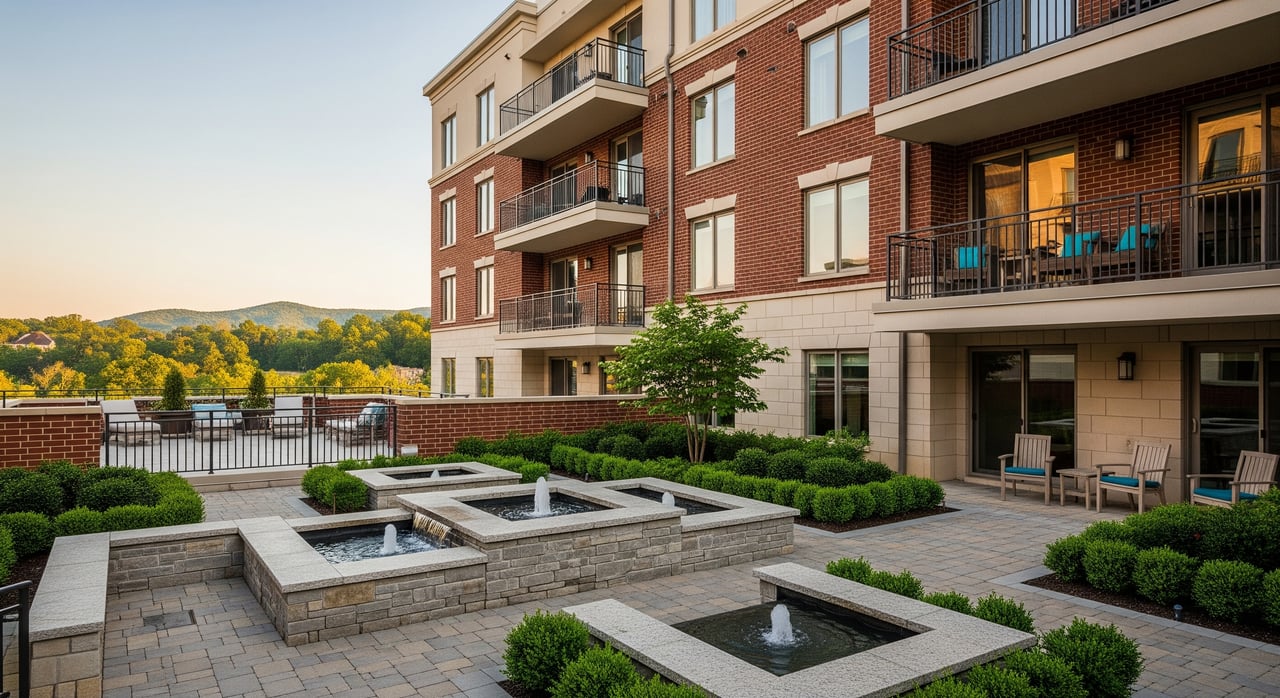
Thinking about a condo in East Knoxville and wondering how the HOA could impact your lifestyle and budget? You are not alone. HOA and condo association rules shape everything from pets and parking to rentals and renovations, and they can influence your financing and resale. In this guide, you will learn what to review, which rules matter most, local Knoxville factors to consider, and a simple due diligence plan you can follow with confidence. Let’s dive in.
What an HOA controls
A condominium association or HOA is a private governing body created by recorded documents. It enforces community rules, manages maintenance, collects dues, and carries insurance for common areas. Boards may be volunteer-led or supported by a professional management company.
Rules come from the declaration or CC&Rs, bylaws, and day-to-day rules and regulations. Associations can enforce policies with warnings, fines, repair orders at owner expense, liens for unpaid assessments, or litigation. Their authority comes from the governing documents and state law.
Documents you must review
Before you commit, ask for a complete disclosure package. Focus on these items and what to look for in each:
- Declaration or CC&Rs. Find pet rules, leasing limits, parking and storage, alteration approvals, smoking policies, and who maintains windows, decks, and building components.
- Bylaws and Articles of Incorporation. Review board structure, voting rights, meeting rules, and how amendments work. Note any unusual supermajority requirements.
- Rules and Regulations. See quiet hours, amenity policies, guest rules, trash and recycling, and satellite or antenna guidelines.
- Resale or Estoppel Certificate. Confirm current dues, balances owed, pending or planned special assessments, and what must be paid at closing.
- Current Budget and Financials. Compare budgeted versus actual expenses. Look for reserve balances, operating cash, and any consistent shortfalls.
- Reserve Study and Capital Plan. Check whether reserves match the age and needs of roofs, siding, elevators, and major systems.
- Assessment History and Delinquency Policy. High delinquency can signal risk and potential special assessments.
- Insurance Certificates or Master Policy. Learn what the master policy covers and what you need to insure with an HO-6 condo policy. Review policy limits and fidelity coverage.
- Board Meeting Minutes, 12–24 months. Spot patterns in disputes, upcoming projects, or discussions of assessments or litigation.
- Management Agreement. If professionally managed, review contract terms, fees, and termination rights.
- Litigation Disclosures. Understand any pending or recent lawsuits and potential financial exposure.
- Architectural Guidelines. See approval steps, timelines, and costs for interior or exterior changes.
- Parking and Storage Policies. Confirm assigned spaces, guest parking, towing rules, and storage access.
Common rules that affect you
Rentals and short-term rentals
Some associations cap the percentage of units that can be leased, set minimum lease terms, require tenant applications, or prohibit short-term rentals. Confirm rental caps, waitlists, and any grandfathered exceptions. Remember that city or county rules for short-term rentals may also apply.
Pet policies
Rules may limit the number of pets, size, or breed and require registration or deposits. Verify procedures for approval, designated pet areas, and enforcement.
Alterations and flooring
Many buildings require approval for interior changes that affect structure, noise, or utilities. Flooring restrictions are common to reduce sound transfer, especially in stacked buildings. Understand whether windows, decks, and exterior doors are your responsibility or the association’s.
Parking and vehicles
Expect assigned spaces and rules for guest parking and towing. Some communities restrict commercial or oversized vehicles. Confirm where visitors can park and how permits work.
Noise, smoking, and amenity use
Quiet hours, smoking rules, and amenity reservations are typical. Review pool or gym policies and any fees for private use.
Assessments and special assessments
Dues fund maintenance, insurance, management, and reserves. Associations may raise assessments according to their documents. Special assessments can fund unplanned repairs or large projects, so check history and plans.
Insurance expectations
Know if the master policy is bare-walls or walls-in and where your HO-6 policy must step in. Confirm coverage limits and whether the association carries fidelity and worker’s compensation coverage.
Enforcement and fines
Learn how violations are handled, fine schedules, and appeal processes. Look for a fair, transparent approach in the rules and minutes.
East Knoxville factors to weigh
Age and construction type
East Knoxville includes many older conversions and mid-century garden-style condos. Older buildings can carry higher maintenance needs for roofs, plumbing, and foundations. Strong reserves and a clear capital plan matter even more in these communities.
Historic districts and design overlays
If a condo is in a historic or conservation area, exterior changes may require both association and municipal approvals. Confirm the process and timelines before planning renovations.
Short-term rental environment
City and county ordinances may require registration, safety inspections, occupancy limits, and taxes for short-term rentals. Even if local rules allow STRs, your association may restrict or prohibit them.
Parking and on-street regulations
Some neighborhoods have limited parking or permit-only zones. Verify how many spaces come with the unit, guest parking options, and any on-street rules that affect you or your visitors.
Floodplains and elevation
Parts of Knox County include flood-prone zones. Check whether the building lies in a mapped flood area, since that can influence insurance requirements and costs.
Utilities and local fees
Ask who pays for water, sewer, trash, and stormwater. In some communities, the association covers certain utilities; in others, owners pay directly. Confirm any municipal or county assessments that may apply.
A step-by-step due diligence plan
Follow this simple plan once you have an accepted offer:
- Build the right contingency
- Include a condo or HOA document contingency with a clear timeline to receive the resale or estoppel certificate and full documents.
- Request governing documents, recent financials, and minutes as early as possible.
- Gather the full packet
- Prioritize the estoppel certificate, declaration, bylaws, rules and regulations, current budget, recent financials, reserve study, insurance summary, minutes, delinquency report, and any litigation disclosures.
- Analyze the finances
- Compare budgeted and actual expenses. Look for recurring shortfalls or reliance on reserves.
- Check reserve balances and planned capital projects against the building’s age and systems.
- Ask targeted questions
- Are any special assessments pending or planned? Amount and timing?
- What is the reserve fund balance and percent funded per the reserve study?
- What is the delinquency rate for dues?
- Is there current or recent litigation?
- Are short-term rentals allowed? Any rental caps or minimum lease terms?
- What does the master insurance cover, and what must your HO-6 cover?
- Who manages the association, and what are the contract terms?
- What are the pet and parking rules, and are any units on variances?
- Have assessments increased in the last 3 to 5 years? By how much?
- Coordinate with your lender
- Share the master insurance details and financial health with your lender early. Some loans have requirements for association stability and insurance coverage.
- Consult the right pros
- If anything looks unusual, ask a condo-savvy real estate attorney to review documents. Your agent can help you weigh risk and negotiate solutions.
Red flags to slow down for
Watch for issues that may affect cost, livability, or financing:
- Low or depleted reserves with no plan to rebuild them.
- Frequent or large special assessments in recent years.
- High delinquency rates for dues.
- Active or recurring litigation, especially construction or insurance claims.
- Unclear insurance coverage or low limits.
- Management turnover or no professional manager in a complex community.
- Contentious enforcement history in minutes or refusals to provide records.
- Rules that conflict with local ordinances, which may be difficult to resolve.
Closing and after you buy
Request a final estoppel close to closing to confirm balances and any new assessments. Ensure the seller discloses known violations and pending assessments. After closing, register with the association, collect all keys and access devices, update your HO-6 policy, and learn the community’s rules so you can avoid violations.
How The Cook Team helps
As East Knoxville market experts, we help you request the right documents, interpret financials and reserve studies, and spot rule changes that could affect your plans. We coordinate with lenders and insurance providers, connect you with local attorneys when needed, and negotiate timelines and contingencies that protect you. If you want a condo that fits your lifestyle and budget without surprises, let’s talk about your shortlist and next steps.
Ready to move forward with clarity? Connect with The Cook Team to Book a Buyer Consultation.
FAQs
What is the difference between an HOA and a condo association in Knoxville?
- Both are private governing bodies that enforce rules, collect dues, and manage common areas, but a condo association typically governs shared buildings while an HOA often covers single-family or townhome communities.
How do rental caps in a condo affect me as a buyer?
- Rental caps can limit your ability to lease and may affect loan options, so verify whether caps exist, if there is a waitlist, and how exceptions are handled.
Are short-term rentals allowed in East Knoxville condos?
- It depends on both the association’s governing documents and city or county rules, so confirm permission and any registration, inspection, or tax requirements.
What should I look for in the estoppel or resale certificate?
- Confirm current dues, past-due balances, special assessments that are planned or pending, and the amounts due at closing.
What insurance do I need as a condo owner?
- Most owners carry an HO-6 policy to cover interior features, personal property, and liability, which complements the association’s master policy.
Who pays for water, sewer, and trash in a Knoxville condo?
- It varies by community; review the budget and rules to see whether the association covers utilities or if owners pay them directly.
What if the association refuses to provide minutes or financials?
- Lack of records is a major red flag; consider pausing your purchase and consult your agent and an attorney to assess risk and options.