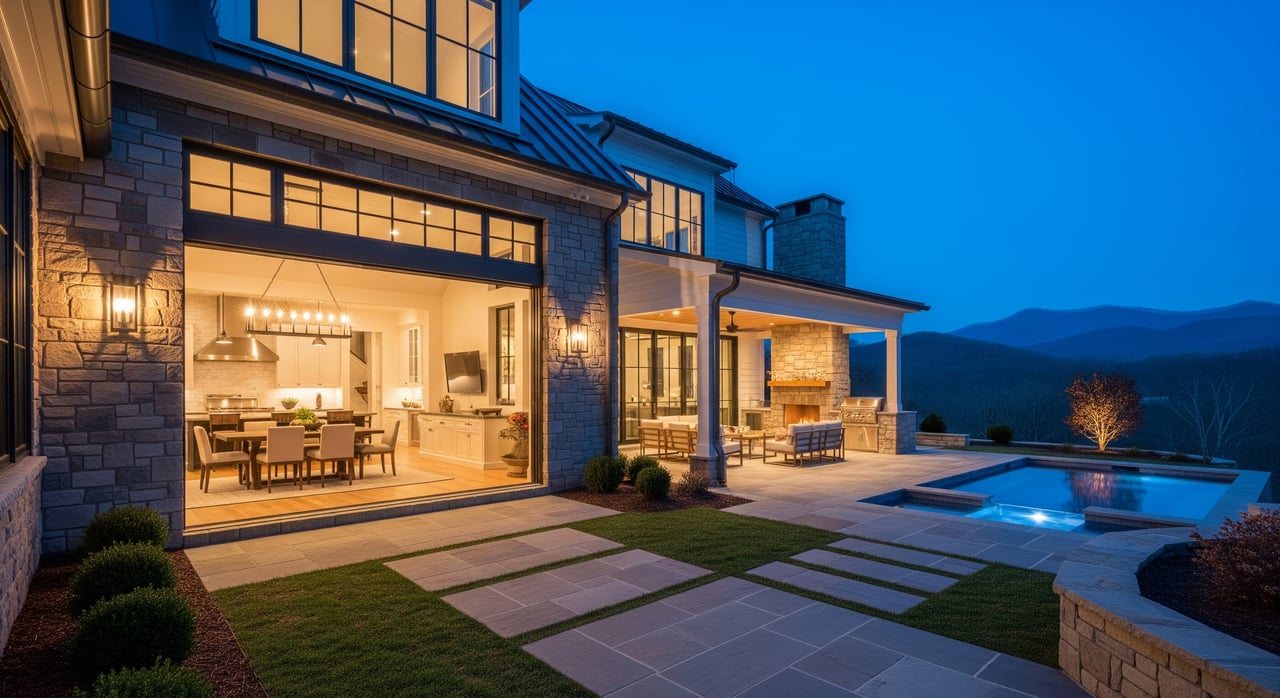
Thinking about upgrading your Maryville home but not sure what actually boosts value? You are not alone. Whether you plan to sell soon or simply want to enjoy smart improvements now, choosing the right projects matters to your bottom line. In this guide, you will learn which upgrades tend to pay off in Maryville and Blount County, how to avoid over-improving, what to know about permits, and a simple way to prioritize your budget. Let’s dive in.
Why Maryville buyers value certain upgrades
Maryville sits within commuting distance to Knoxville-area jobs and offers quick access to parks and outdoor recreation. Buyers often look for functional floor plans, flexible living areas, and inviting outdoor spaces for everyday life and weekend entertaining. Energy efficiency and low maintenance also rank high because our climate brings hot, humid summers and mild winters.
Your home’s setting can affect project feasibility. In some areas near waterways or on sloped lots, additions and basement finishing may require extra due diligence. Before tackling major changes, check your parcel’s status using the FEMA Flood Map Service Center and verify site conditions.
Finally, keep your neighborhood’s price ceiling in mind. The value of an upgrade is anchored to comparable homes nearby. High-end finishes in a modest neighborhood rarely deliver a full return at resale.
High-impact upgrades in Maryville
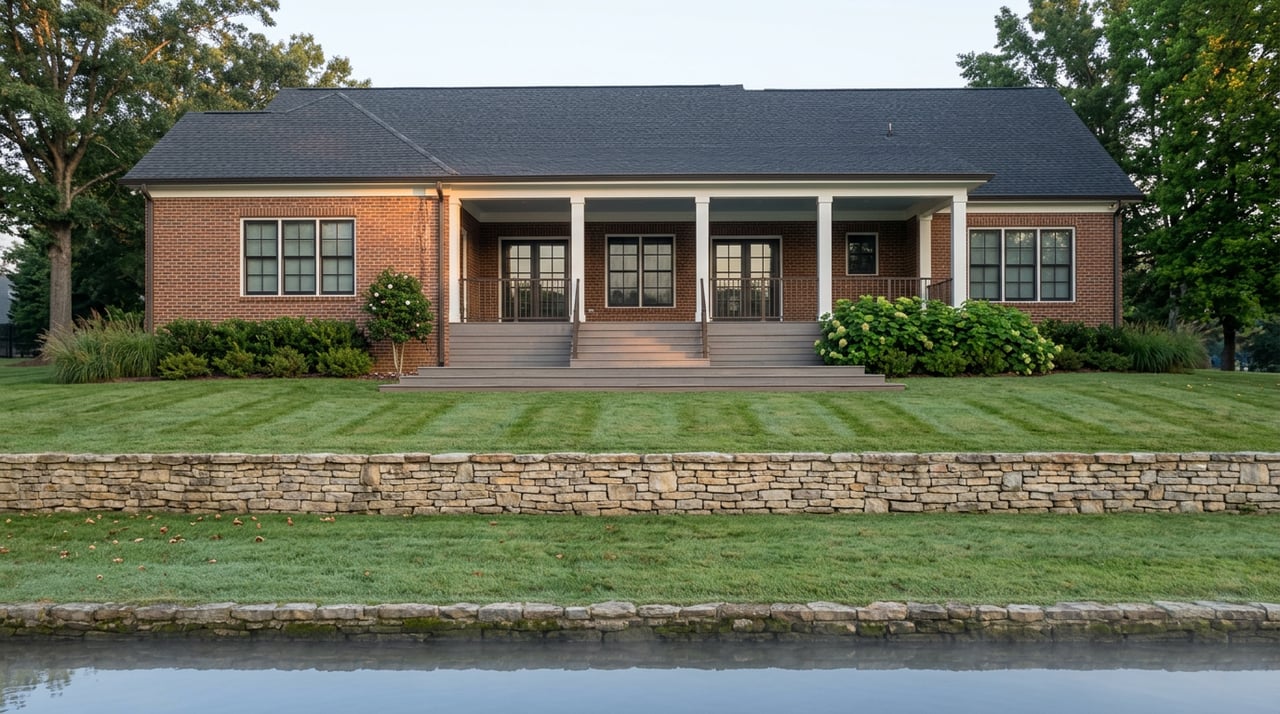
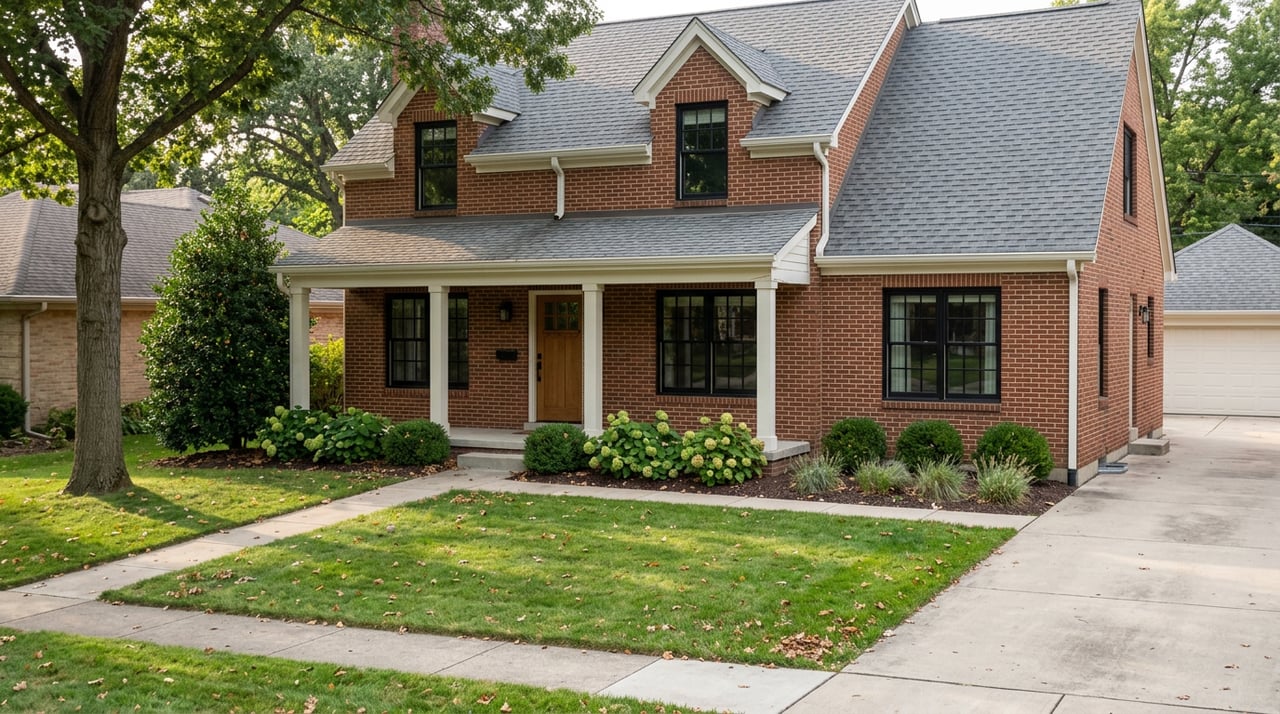
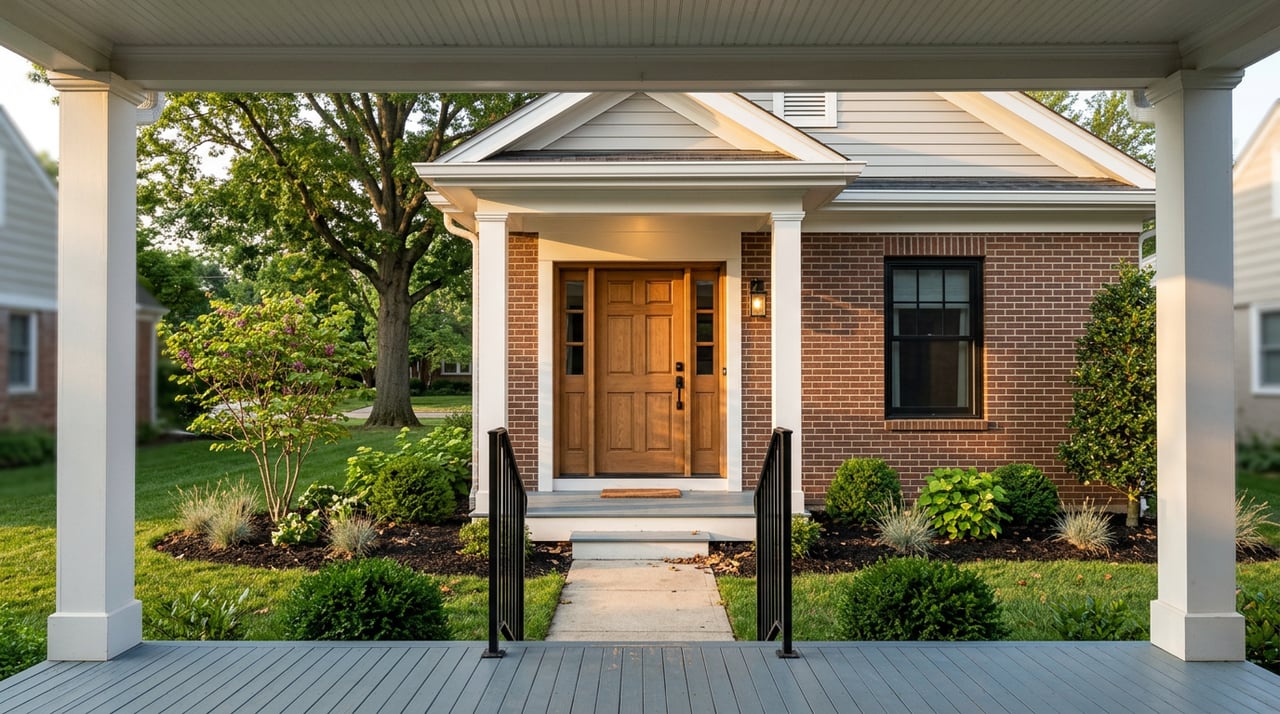
Curb appeal and exterior refresh
- What to do: Fresh paint or siding touch-ups, a new front door, driveway or porch repairs, simple landscaping, and clean exterior lighting.
- Why it matters: First impressions drive showings. Attractive yards and welcoming porches resonate with local buyers.
- Cost band: Low to medium.
- ROI notes: Often strong because improvements are visible and quick.
- Permits: Typically none for basic landscaping; check rules for fences or retaining walls.
- Timing: Days to a few weeks.
Kitchen updates that fit the neighborhood
- What to do: Targeted refreshers like refacing cabinets, new countertops, updated appliances, hardware, lighting, and durable flooring.
- Why it matters: Kitchens are a priority. Modern, functional spaces appeal to families, commuters, and downsizers.
- Cost band: Medium to high depending on scope.
- ROI notes: Targeted updates usually deliver strong appeal; full luxury remodels should match top-of-market comps.
- Permits: Electrical, plumbing, or structural work often needs permits.
- Timing: About 2 to 8 weeks based on scope.
Bathroom improvements buyers notice
- What to do: New fixtures, updated vanities, refreshed tile, better ventilation, improved lighting, and clean flooring. Consider adding a half or full bath where it fits.
- Why it matters: Clean, updated baths reduce buyer objections. An added bath can elevate utility in the right layout.
- Cost band: Low to medium for cosmetic updates; high for full remodels or additions.
- ROI notes: Modest remodels tend to perform well. Adding a full bath can be valuable if it enhances function.
- Permits: Plumbing and electrical require permits and inspections.
- Timing: About 1 to 6 weeks.
HVAC, insulation, and energy efficiency
- What to do: Upgrade HVAC, add insulation, seal air leaks, replace older windows with energy-efficient options, and add smart thermostats.
- Why it matters: Comfort and lower utility costs matter in a humid climate. Energy updates can be a selling point when documented.
- Cost band: Medium to high.
- ROI notes: Returns show up as buyer confidence and operating-cost savings. Some projects may qualify for incentives; check current programs.
- Permits: HVAC and ventilation upgrades often need permits and licensed contractors.
- Timing: Days to a few weeks.
Roof, gutters, and exterior durability
- What to do: Repair or replace worn roofing, install new gutters and downspouts, and address fascia or soffit issues.
- Why it matters: A tired or leaking roof is a red flag and a common negotiation item. Durable exteriors handle local weather better.
- Cost band: Medium to high.
- ROI notes: Necessary roof work usually delivers strong resale value because it removes buyer risk.
- Permits: Roof replacements typically require permits and inspections.
- Timing: Days to a few weeks.
Flooring that looks great and lasts
- What to do: Replace worn carpet with hardwood, engineered wood, quality laminate, or luxury vinyl plank. Refinish existing hardwood if possible.
- Why it matters: Durable, low-maintenance floors photograph well and handle everyday wear.
- Cost band: Low to medium for vinyl or laminate; medium to high for hardwood.
- ROI notes: Good when matched to neighborhood expectations.
- Permits: Not typically required.
- Timing: Days to a few weeks.
Add functional living space
- What to do: Finish a basement or attic where feasible, add a bedroom or bath, or consider a modest addition like a bump-out or sunroom.
- Why it matters: More livable square footage and better flow can significantly increase value.
- Cost band: Medium to high based on complexity.
- ROI notes: Strong when the added space mirrors nearby homes and avoids overbuilding. Assess moisture risk and ceiling heights first.
- Permits: Structural and mechanical work needs permits; verify zoning setbacks for additions.
- Timing: Weeks to months.
Decks, patios, and outdoor living
- What to do: Build or refresh decks, patios, screened porches, grilling areas, and easy-care landscaping; consider fencing where appropriate.
- Why it matters: Outdoor living is a big draw in Maryville and across East Tennessee.
- Cost band: Low to medium for patios; medium for decks or screened porches.
- ROI notes: Strong buyer appeal when integrated with curb appeal and yard use.
- Permits: Elevated decks and some fencing projects require permits.
- Timing: Days to a few weeks.
Garage and storage upgrades
- What to do: Replace or service the garage door and opener, add bright lighting, and install storage systems.
- Why it matters: Storage and organized utility space are high on many buyers’ lists.
- Cost band: Low to medium.
- ROI notes: Great presentation for a relatively modest spend.
- Permits: Usually not required for simple upgrades.
- Timing: Days to about a week.
Smart home and safety basics
- What to do: New water heater, updated electrical panel if needed, smoke and carbon monoxide detectors, smart thermostat, security lighting, and surge protection.
- Why it matters: Safety and modern controls build trust. Clear documentation of recent mechanical updates reduces buyer concern.
- Cost band: Low to medium.
- ROI notes: Helps your sale move smoothly and can support stronger offers.
- Permits: Electrical and mechanical upgrades usually require permits and licensed pros.
- Timing: Days to a few weeks.
Accessibility and universal design
- What to do: Consider zero-step entries, wider doorways, a main-floor full bath, or a bedroom conversion, plus well-designed grab bars.
- Why it matters: Accessibility increases marketability to a wider pool, including multigenerational households.
- Cost band: Low to medium for minor changes; higher for major reconfiguration.
- ROI notes: Often valuable by expanding buyer appeal, especially in the right layout.
Permits and inspections: city vs. county
Before starting structural, electrical, plumbing, HVAC, roofing, or major exterior work, verify whether your property is within Maryville city limits or in unincorporated Blount County. Each has different permit requirements and inspection processes. Confirm permit thresholds, use licensed contractors, and keep copies of permits and final inspection sign-offs. These documents reassure buyers and help prevent closing delays.
If you are unsure about site constraints, consult planning staff and check your parcel on the FEMA Flood Map Service Center. For broad ROI guidance, the annual Remodeling Cost vs. Value report offers regional benchmarks, and NAR research highlights buyer preferences and remodel impacts.
How to prioritize your budget
Start with safety and function. Fix roof leaks, moisture or crawlspace issues, failing systems, and electrical hazards first. These can derail deals during inspections if not addressed.
Next, tackle curb appeal and surface-level updates. Fresh paint, landscaping, lighting, and minor repairs provide outsized value at modest cost. Staging and decluttering also help your listing photos shine and increase showings.
Then, focus on kitchens and baths. Choose targeted updates over luxury overhauls unless your home will compete at the top of the neighborhood price range. Durable surfaces, modern fixtures, and clean finishes usually hit the mark.
Check comparable sales in your immediate area. If your home will list near the neighborhood’s upper tier, you can justify more significant upgrades. If you plan to price mid-pack, keep improvements practical and efficient.
Finally, consider timing and carrying costs. If the market is moving quickly, minor fixes may be enough to maximize your net. If conditions slow, strategic upgrades that broaden appeal can help your home stand out.
Documentation that boosts buyer confidence
Keep receipts, warranties, and permit documentation for all work. A one-sheet summary that lists the year of roof, HVAC, water heater, windows, and major updates is simple and effective. If you improved energy efficiency, note average utility bills before and after to show the benefit. Clear documentation often supports stronger offers and smoother negotiations.
For general ROI context, review the regional findings in the Remodeling Cost vs. Value report and consult your agent for neighborhood-specific guidance. You can also browse NAR research for insights on what buyers value most.
Ready to plan your upgrades?
If you want help targeting the right projects for your timeline and budget, connect with a local team that studies Maryville comps, understands permit requirements, and knows what buyers prioritize. For a market-informed plan, pricing guidance, and a clear path to listing day, reach out to The Cook Team. We are here to help you invest wisely and sell with confidence.
FAQs
How much should I spend on upgrades before selling in Maryville?
- It depends on your likely list price, neighborhood comps, and any existing defects; prioritize safety and curb appeal first, then target kitchens and baths with modest, high-visibility updates.
Do I need permits for home projects in Maryville or Blount County?
- Structural, electrical, plumbing, HVAC, roofing, and elevated decks typically require permits and inspections; verify jurisdiction, use licensed contractors, and keep all approvals for buyers.
Will a kitchen or bathroom remodel pay off locally?
- Targeted updates often deliver strong appeal, while luxury remodels only make sense if they align with top-of-market comparable homes in your neighborhood.
Are energy-efficiency upgrades worth it in East Tennessee?
- Yes; better HVAC, insulation, and sealing improve comfort and operating costs, and they can enhance buyer confidence when you document recent improvements.
Should I finish a basement or add a deck in Maryville?
- Finishing a basement can add valuable space if moisture and height conditions are suitable, while decks and patios typically provide high perceived value at moderate cost in our outdoor-friendly market.