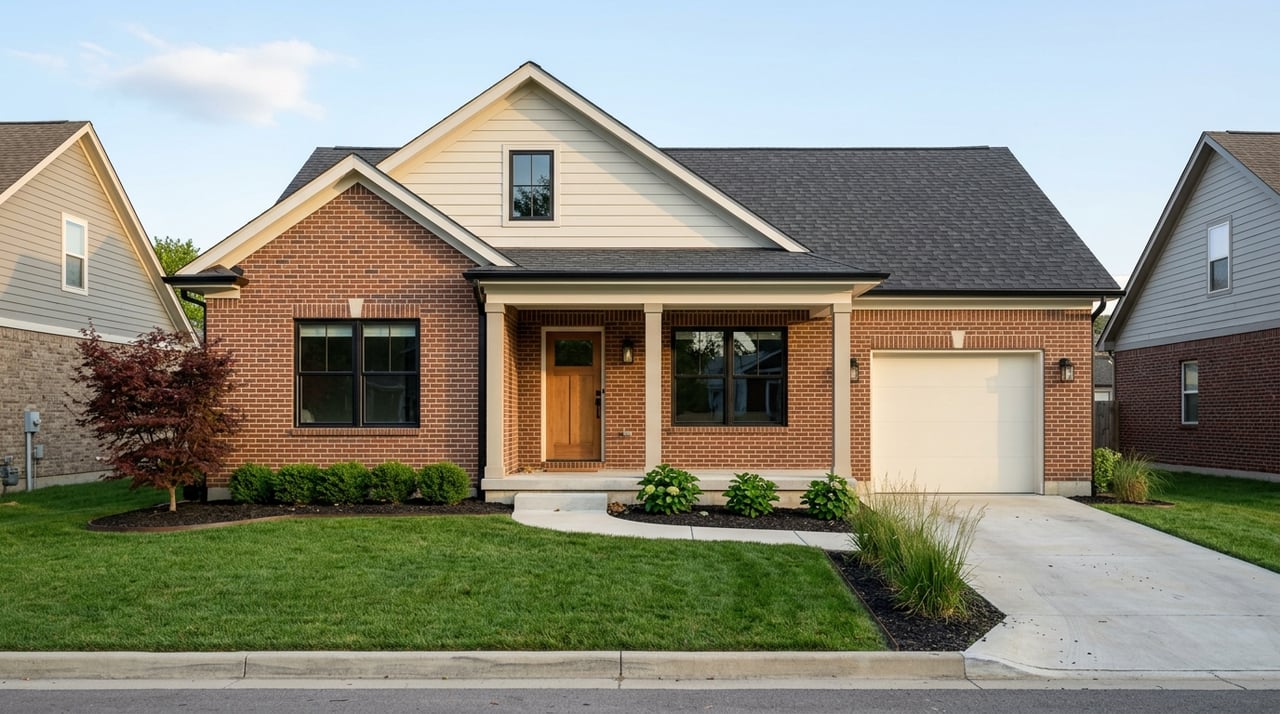
Shopping for new construction in Farragut can feel simple at first. You tour a few model homes, compare floor plans, and start picturing where your furniture will go. But the real difference between communities often goes far beyond the home itself. If you want to make a smart choice, you need to compare the neighborhood, the builder, the fees, and the details that affect daily life. Let’s dive in.
Why Farragut communities vary
Farragut has its own planning and zoning process within town limits, and that shapes how communities come together. The town reviews residential site plans for things like setbacks, lot coverage, access, and easement issues, which means neighborhood layout is not random.
That matters because two communities with similar homes can still feel very different once you live there. Street design, lot placement, open space, and future development all affect how a neighborhood functions day to day.
Farragut also requires developers to set aside 10% of each project’s acreage for passive open space or recreational amenities. Sidewalks and greenway links are also identified as required elements, so it makes sense to compare walkability and amenity quality, not just square footage.
Compare the lot, not just the floor plan
A beautiful plan on paper does not tell you everything. In new construction, the lot can change how the home lives, how the driveway works, and how much usable outdoor space you actually have.
When you compare communities, ask about lot size, setbacks, driveway placement, and easements. Farragut’s review process specifically checks those items, which makes them important factors when you are weighing one neighborhood against another.
You should also look at how the home sits on the lot. A larger footprint or different setback can affect backyard space, privacy, and room for future outdoor projects.
Ask how much build-out remains
One of the biggest questions in any new construction neighborhood is how finished it really is. A community that feels quiet today may still have years of future construction ahead.
Farragut’s official development projects map is a useful tool because it is updated monthly and can show residential and commercial construction, lot counts, and project status. That gives you a clearer picture of what may still be built nearby and how much of the surrounding area is changing.
Look closely at amenities and open space
Amenities can make a big difference in how much value you feel from a community over time. In Farragut, because each project must include open space or recreational acreage, you should compare what that requirement looks like in real life.
Some neighborhoods may offer trails, a pool, a clubhouse, or preserved green space. Others may technically meet the minimum while offering a lighter amenity package, so it helps to focus on what you will actually use.
A marketing brochure may list features, but your job is to compare the quality and usefulness of those features. A connected sidewalk network or accessible trail can be just as meaningful as a pool, depending on your lifestyle.
Match amenities to HOA dues
Amenities and HOA dues usually go hand in hand. In some neighborhoods, dues support recreation areas, landscaping, and common-area maintenance. In others, fees may be lower because there is simply less to maintain.
That is why it is smart to compare value, not just price. A higher monthly HOA fee may come with stronger common-area care, more amenities, or reserve funding for larger expenses.
Check utilities by address
Utility service in Farragut is split among different providers. First Utility District handles water and sewer, Knoxville Utilities Board handles gas, and Lenoir City Utilities Board handles electric service.
You should verify the provider for the specific parcel you are considering before you estimate monthly costs or compare communities. Utility setup and service details can vary from one lot to another.
First Utility District also notes that additional charges may apply depending on the situation, including meter set fees, sewer tap and connection fees, and special service area fees. In new construction, those costs can become part of the bigger financial picture.
Verify school zoning by exact address
If school zoning is part of your decision, be careful not to assume based on a subdivision name alone. Knox County Schools says school assignments should be checked by physical address using the KGIS School Zone Search, especially near border zones.
That makes school zoning a parcel-by-parcel issue. Even homes in the same general area may need to be confirmed individually.
For buyers comparing multiple communities, this is one more reason to narrow your search to specific lots, not just broad neighborhood descriptions. A quick address check can prevent surprises later.
Compare builders with the same care
The community matters, but the builder matters just as much. In Tennessee, a contractor’s license is required before bidding or offering a price on projects of $25,000 or more, and the state provides a Verify a License search portal.
Tennessee also advises buyers to check complaint history, references, proof of insurance, and who will actually perform the work. That last point is especially important because the builder you meet may not be the same person or team handling every part of construction.
Look for local permit experience
In Farragut, plumbing and gas or mechanical contractors working in town must be licensed and must obtain permits. The town’s Building & Fire Codes Division reviews residential and commercial construction plans to help ensure they meet code, and electrical inspections are handled by Lenoir City Utilities Board.
That means a builder’s local permit experience can be a practical sign of how smoothly the process may go. A team that regularly works in Farragut is more likely to understand local review steps, inspection sequencing, and documentation requirements.
Get clear contract details before signing
Tennessee advises buyers to use a written contract and make sure it spells out start and completion dates, payment terms, change orders, and warranty information. The state also says the contractor should obtain permits for inspections.
This is where careful questions can save you stress later. Make sure you understand what is included in the base price, what counts as an upgrade, and how delays or punch-list repairs will be handled.
Understand HOA rules and total monthly cost
It is easy to focus on purchase price and forget the rest of the monthly picture. But HOA dues can change the true cost of ownership, especially in amenity-rich communities.
HOA boards typically collect fees, maintain common areas, and may fund reserve accounts for major expenses. Buyers should review the governing documents and financial statements so they know what the fees support and how the community is managed.
HOA dues are usually paid directly to the HOA, not through the mortgage servicer, and they can range from a few hundred dollars a month to more than $1,000 a month. That is why comparing total monthly cost matters more than comparing list price alone.
Ask what the dues actually cover
A lower HOA fee is not always the better deal. It may simply mean fewer services, fewer amenities, or thinner reserves.
Ask whether dues cover landscaping, common-area maintenance, trash, pools, trails, clubhouse access, or reserve funding. You should also ask whether exterior changes like landscaping, fences, paint colors, or additions require HOA approval.
Know the timeline and inspection process
New construction timelines can shift, and local approvals are part of that process. Farragut uses MyGovernmentOnline for permitting and inspections, and the town says that once a complete application is accepted, initial review typically takes up to 20 business days for most residential and commercial projects.
If a project also needs Planning Commission approval, there can be added steps before building-plan submission. This is one reason projected completion dates should always be treated as estimates, not guarantees.
Farragut’s residential permit materials list common inspection points for new homes, including footing, plumbing slab, rough-ins, framing, insulation, and final inspections. State electrical inspections must be completed before the town’s rough-in and final inspections.
Plan for your own inspection
Even with code inspections, an independent home inspection is still a smart move. Consumer guidance recommends scheduling your inspection as soon as possible and attending if you can.
When you compare new construction communities, ask whether you can have an independent inspection before closing. It is also helpful to pay close attention to structure, grading, roofing, plumbing, gas, electrical, insulation, and ventilation.
Questions to ask before choosing a community
As you narrow your options in Farragut, keep your comparison practical. A short list of focused questions can make it easier to spot the right fit.
Here are some of the most useful questions to ask:
- How far along is the community’s build-out?
- What is included in the base price?
- Which features are upgrades?
- What is the projected completion date?
- How are delays handled?
- Who manages punch-list repairs?
- Which utility provider serves this lot?
- Are there utility setup or connection charges?
- What does the HOA fee cover?
- What exterior changes require HOA approval?
- What school zone applies to this exact address?
- Can you have an independent inspection before closing?
How to make the best choice
The best new construction community in Farragut is not always the one with the flashiest model home. It is the one that lines up with your budget, timeline, lifestyle, and comfort level with the builder and neighborhood details.
When you compare communities carefully, you give yourself a better chance of avoiding surprises after closing. You also put yourself in a stronger position to choose a home that fits how you want to live, not just how you want the kitchen to look on tour day.
If you want help comparing new construction communities in Farragut, The Cook Team can help you sort through the details and move forward with confidence.
FAQs
What should you compare between new construction communities in Farragut?
- Compare lot size, setbacks, driveway placement, easements, amenities, HOA dues, utility providers, school zoning by address, builder reputation, and how much of the community is still under construction.
Why do amenities matter in Farragut new construction neighborhoods?
- Farragut requires developers to set aside 10% of project acreage for passive open space or recreational amenities, so trails, pools, clubhouses, preserved green space, sidewalks, and greenway links can be meaningful differences between communities.
How do you verify utilities for a new construction home in Farragut?
- Check the specific parcel because water and sewer may be with First Utility District, gas with Knoxville Utilities Board, and electric with Lenoir City Utilities Board, and some properties may also have setup or connection charges.
How do you confirm school zoning for a Farragut new construction home?
- Knox County Schools says you should verify school assignments by physical address using the KGIS School Zone Search, especially for homes near border zones.
What should you ask about a builder before signing a contract in Tennessee?
- Ask about license status, insurance, references, complaint history, who will perform the work, permit responsibility, warranty terms, payment terms, change orders, and projected start and completion dates.
Can you get an independent inspection on new construction in Farragut?
- Yes, buyers should ask whether an independent inspection can be completed before closing, even though the home will also go through required local inspection stages during construction.
What should HOA dues cover in a Farragut community?
- HOA dues may cover common-area maintenance, landscaping, trash, recreation amenities, clubhouse access, trails, and reserve funding, so you should review what is included before you compare monthly costs.