Thinking about buying a Smokies cabin to rent on a short‑term basis? You’re not alone. Sevierville draws steady vacation demand and offers a wide range of cabin and home options, which makes it a favorite for investors. In this guide, you’ll learn how to evaluate the Sevierville market, what to verify about local regulations and taxes, how to underwrite returns, and how to set up day‑to‑day operations. Let’s dive in.
Why Sevierville works for STRs
Sevierville sits next to Great Smoky Mountains National Park and the tourism hubs of Pigeon Forge and Gatlinburg. These anchors drive year‑round leisure travel with peaks in summer, during fall foliage, and over major holidays and events. That steady flow of visitors supports a deep short‑term rental market.
Many travelers choose Sevierville as a less congested, often more affordable base compared with nearby towns. Families and multi‑family groups book larger cabins and homes, while couples and outdoor enthusiasts come for hiking and fishing access. Weekend drive markets like Nashville, Knoxville, and Atlanta add short‑lead bookings.
Seasonality and supply to watch
Expect strong demand in summer, elevated demand in the autumn leaf season, and holiday spikes from Thanksgiving through New Year. Shoulder months and some weekdays often soften, so plan for occupancy swings across the calendar. That seasonality should be built into your cash flow assumptions.
The area has a high concentration of cabins and mountain‑style homes marketed as short‑term rentals. New builds and supply growth can compress occupancy and average daily rate over time. To stay competitive, track comparable pricing and amenities and budget for dynamic pricing tools.
What to verify before you buy
Before you make an offer, build your decision on local data. Focus on:
- Comparable ADR and occupancy by property type and micro‑location.
- Booking lead times and average length of stay.
- Amenity premiums for features like hot tubs, mountain views, and game rooms.
- Active listing counts and new supply trends over time.
Useful data sources include STR analytics platforms and local property managers. Pair quantitative reports with on‑the‑ground feedback about guest expectations, road access, parking, and noise or construction nearby.
Regulations, licensing, and taxes
Rules vary by city, county, and HOA, so confirm them for your specific property and intended use. Items to check:
- Municipal and county ordinances. Verify whether the City of Sevierville and Sevier County require permits, registration, occupancy limits, parking standards, noise rules, or inspections for rentals.
- Zoning and HOA covenants. Make sure the zoning designation allows short‑term rental use and that any HOA permits it.
- Building and safety standards. Expect requirements like smoke and CO detectors, egress, fire extinguishers, and posted house rules. Some areas require inspections.
- State and local taxes. Short‑term rentals are commonly subject to Tennessee state sales tax. Counties and municipalities often add occupancy or tourism taxes. Confirm registration steps, rates, and remittance schedules with the appropriate offices.
- Business licensing. Determine if you need a city or county business license or to register a short‑term rental with local authorities. Some places require you to display a registration number on listings.
- Enforcement. Understand how compliance is enforced and the penalties for violations. Plan to follow the rules closely to protect your operation.
When in doubt, contact Sevierville City Hall, Sevier County planning and tax offices, the Tennessee Department of Revenue, and a local attorney or experienced manager to confirm the latest requirements.
Underwrite with discipline
Your pro forma should be grounded in real comps and conservative assumptions. Use this framework:
- Gross Rental Income = ADR × Occupancy Rate × 365.
- Subtract operating expenses: management fees, cleaning and turnover, utilities, internet and streaming, insurance with STR coverage, property taxes, HOA dues if applicable, routine maintenance, reserves for capital expenses, platform and payment processing fees.
- Factor debt service if financed and include startup capital for furniture, appliances, and any renovations.
Key return metrics include Net Operating Income, cap rate, and cash‑on‑cash return. Full‑service management fees are material and often fall in the 20 to 35 percent range of booked revenue, depending on services and property size. Cleaning costs vary by bedroom count and can be passed through as a guest fee or absorbed when marketing discounts.
Run stress tests on your pro forma. Model ADR or occupancy reductions of 10 to 30 percent, higher insurance premiums, property tax increases, and higher turnover costs. Your goal is a resilient deal that still meets your targets when conditions get tougher.
Financing options to explore
Loan options can include conventional investor mortgages, portfolio loans, and DSCR loans from specialty lenders. Some programs will underwrite to projected short‑term rental income, while others rely on long‑term rental assumptions. Investor loans typically require larger down payments, often 20 to 25 percent or more, but exact requirements vary.
If you are considering owner‑occupied financing, make sure your intended use meets loan rules. Using a primary‑residence loan for a primarily short‑term rental use can violate loan terms. Be transparent with lenders about your plan and get prequalified early.
Property and amenity choices that perform
Not all cabins and homes earn the same. Features that often command stronger rates and bookings include:
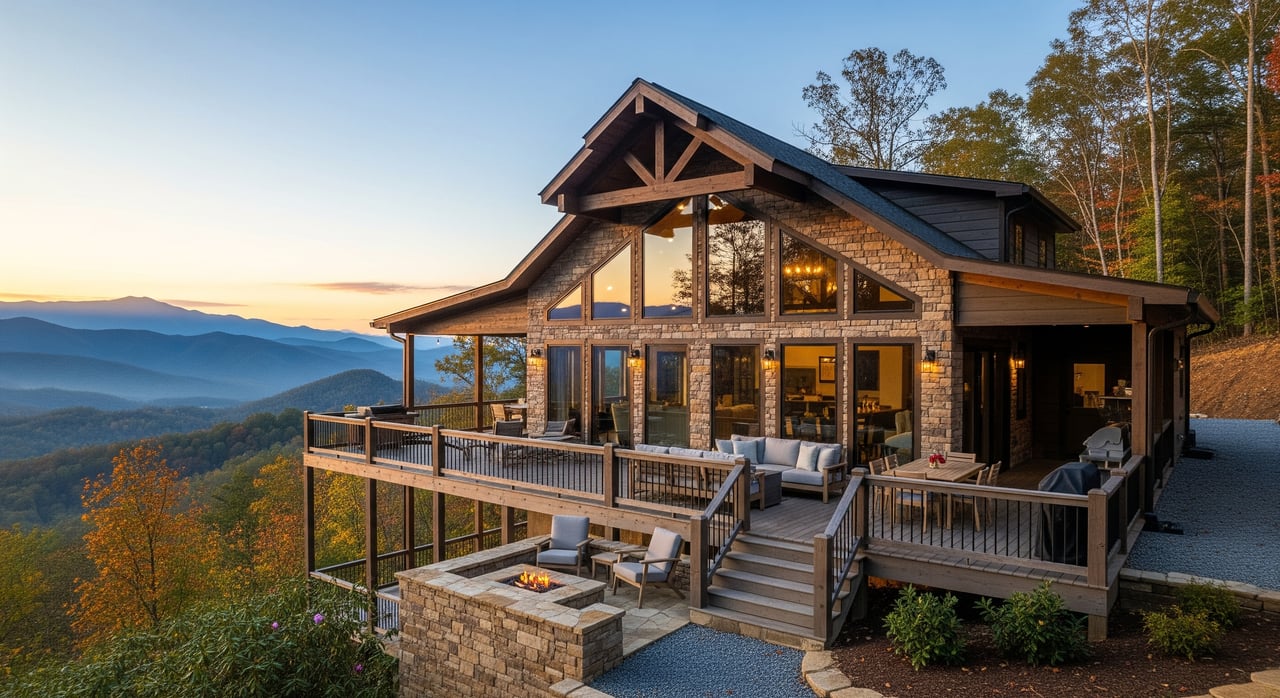
- Mountain views or scenic settings.
- Private hot tubs and multiple bathrooms for group stays.
- Game rooms or family‑friendly entertainment spaces.
- Easy access and adequate parking.
Also consider pet policies. Pet‑friendly homes expand your booking pool but may add wear‑and‑tear and cleaning needs. Always check insurance implications and set clear house rules.
Management model fit
Decide how you will operate day to day.
- Self‑management. You keep more revenue and full control but take on pricing, guest communication, and vendor coordination. Expect a higher time commitment and the need for systems.
- Local full‑service management. You pay higher fees but gain professional cleaning, guest support, maintenance coordination, and scale. This is a common choice for remote owners.
- Hybrid. You handle listings and pricing while a local team manages cleaning and guest support. This can balance control and workload.
Whichever model you choose, plan for dynamic pricing, streamlined turnovers, and fast guest messaging. Consistent reviews depend on clean spaces, clear instructions, and quick issue resolution.
Insurance and liability
Confirm that your policy explicitly covers short‑term rental use. Many standard homeowner policies exclude it. Evaluate short‑term rental endorsements or commercial policies and consider umbrella liability for added protection. If your property has a hot tub, pool, or other higher‑risk amenity, check for added safety requirements and coverage.
Step‑by‑step Sevierville STR checklist
- Define your investment goals. Set target returns, hold period, and budget.
- Pull market comps. Gather ADR, occupancy, seasonality, and amenity premiums from STR data tools and local managers.
- Prequalify financing. Discuss DSCR or portfolio options and required down payments for your profile.
- Screen properties. Confirm zoning, HOA rules, access and parking, and proximity to attractions.
- Verify regulations and taxes. Contact city, county, and state offices to confirm permits, licensing, registrations, and tax collection steps.
- Build a detailed pro forma. Include realistic management, cleaning, utilities, insurance, property taxes, and reserves.
- Stress test. Model lower ADR and occupancy, plus higher expenses, to see if returns hold.
- Plan operations. Choose a management model, line up cleaners and maintenance, and prepare house rules and automation tools.
- Obtain insurance quotes. Make sure coverage fits STR use and any amenities.
- Budget startup costs. Include furnishings, safety upgrades, pro photography, and platform onboarding.
Local investor tips
- Validate with hyper‑local comps. Focus within 1 to 3 miles of your target property for the most accurate revenue assumptions.
- Walk the area. Check road grades, winter access, and parking. Small access issues can affect guest satisfaction and reviews.
- Mind the shoulder months. Keep cash reserves to manage off‑peak income dips and maintenance needs.
- Invest in reviews. Cleanliness, clear instructions, and responsive support translate directly into occupancy and ADR over time.
- Think long term. Choose properties and amenities that will stay competitive if new supply comes online.
How we can help
You deserve a clear, confident path from first showing to first booking. With a focus on East Tennessee buyers and investor purchases, we guide you through property selection, negotiations, inspections, and a smooth closing. We bring local insight, a calm process, and a client‑first approach so you can buy with confidence and plan your launch.
Ready to explore Sevierville short‑term rental opportunities? Book a Buyer Consultation with Unknown Company and take your next step today.
FAQs
Is Sevierville a good place for short‑term rental investing?
- Sevierville benefits from year‑round tourism tied to the national park and nearby attractions, with strong summer, fall foliage, and holiday demand.
What regulations apply to Sevierville short‑term rentals?
- Rules can include city or county permits, registration, zoning limits, safety standards, and business licensing. Verify requirements with local authorities for your address.
What taxes do I need to collect on bookings?
- Expect Tennessee state sales tax plus county or municipal occupancy or tourism taxes. Confirm applicable rates, registration, and remittance with the tax offices.
How should I underwrite a Sevierville cabin?
- Build your pro forma with local ADR and occupancy comps, realistic operating expenses, and stress tests for lower revenue and higher costs.
What are typical STR management and cleaning costs?
- Full‑service management often ranges from 20 to 35 percent of booked revenue, and cleaning varies by size. Decide if fees are guest‑paid or owner‑absorbed.
Which financing options work for STR purchases?
- Conventional investor loans, portfolio loans, and DSCR loans are common. Some lenders underwrite to projected STR income, while others use long‑term assumptions.