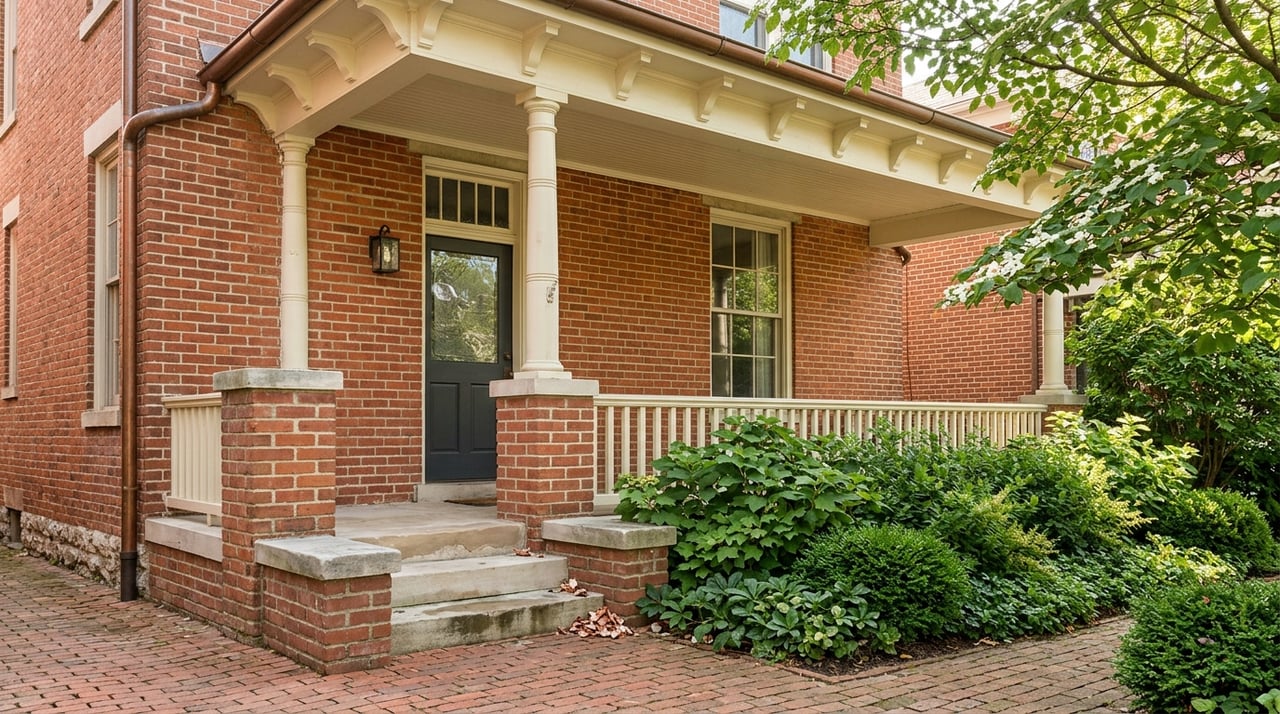
Wondering if a historic home in Old North Knoxville is a dream purchase or a renovation surprise waiting to happen? If you love original porches, wood windows, and late-19th-century architecture, this neighborhood offers a rare chance to own a piece of Knoxville history. The key is knowing what to inspect, what rules may apply, and how to budget before you fall in love with a house. Let’s dive in.
Why Old North Knoxville Stands Out
Old North Knoxville began as a late-19th-century streetcar suburb and was annexed by Knoxville in 1891. Today, the area is recognized as a historic district listed in the National Register, with hundreds of contributing buildings and a street pattern that still reflects its early development.The National Register nomination describes the district as roughly triangular, just north of downtown and centered around Broadway, Woodland, and Central Avenues.
Part of the appeal is the neighborhood’s architectural variety. You can find Queen Anne, Folk Victorian, Eastlake, Shotgun, Colonial Revival, Neoclassical, Craftsman/Bungalow, and American Four Square homes, along with work tied to notable designers including George F. Barber, Charles Barber, and David Getaz. The area is also known for front porches, alleys, long straight streets, and a preserved streetcar-suburb feel.
That variety matters when you shop for a home here. Larger homes on Armstrong, East Scott, and East Oklahoma Avenues can have very different maintenance needs than smaller shotguns, cottages, and bungalows elsewhere in the district. In a neighborhood like this, one block can feel very different from the next in both style and likely upkeep.
What to Check Before You Buy
When you buy a historic home, the exterior envelope should be one of your first priorities. In Old North Knoxville, roofs, gutters, chimneys, windows, porches, siding, and masonry all help define the home’s historic character. According to the Old North Knoxville design guidelines, moisture issues often show up through roof leaks, failed gutters, staining near windows, damp basements, and damage to plaster or wood.
Moisture is not just a cosmetic issue. The U.S. Department of Energy guidance cited in the local preservation materials notes that proper drainage, ventilation, and air sealing all matter because wet materials can lose performance and lead to mold or wood rot over time. If water has been getting in for years, repair costs can rise quickly.
Focus on Roofs and Drainage
Start by asking about the age and condition of the roof, flashing, and gutters. Look for signs of leaks, missing flashing, or water that may be collecting too close to the house. Even a beautiful historic exterior can hide costly moisture problems if drainage has been ignored.
Inspect Windows and Trim Carefully
Original wood windows are often a plus if they are still repairable. The local guidelines recommend reusing and repairing original windows when possible, rather than replacing them unnecessarily. Weather-stripping and storm windows may improve performance while preserving historic material.
As you tour homes, check whether the windows and trim look consistent with the house. Mismatched replacements can affect both appearance and future restoration plans. It is smart to ask sellers what was repaired, what was replaced, and when the work was done.
Don’t Overlook the Porch
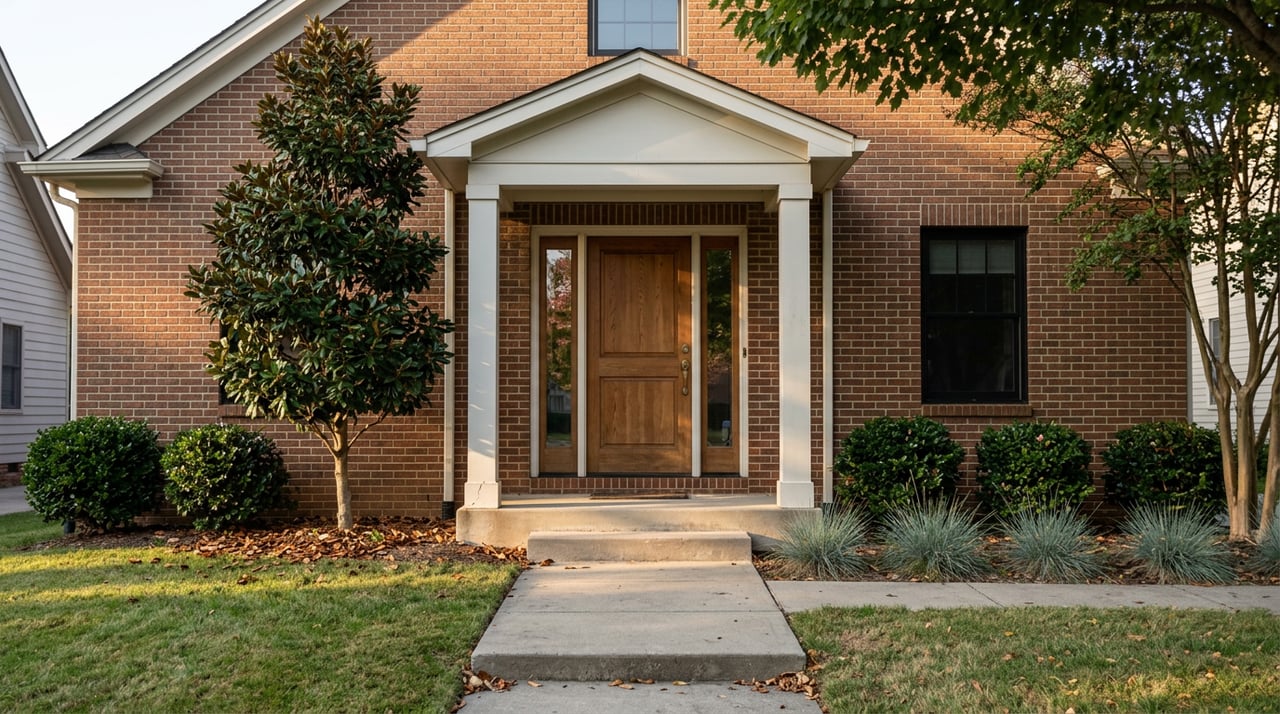
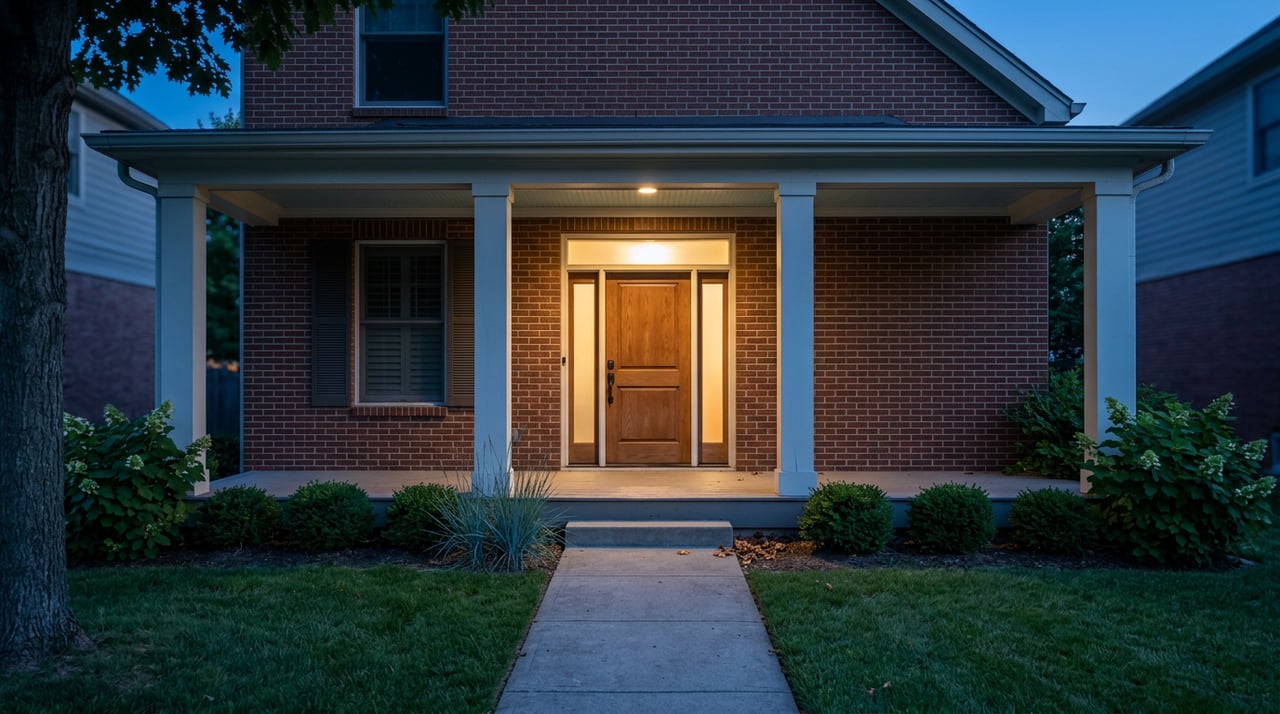
In Old North Knoxville, the porch is often one of the most important features of the home. Porch columns, beadboard ceilings, balustrades, and wood trim are considered important historic elements in the local guidelines. If a porch has been enclosed, rebuilt, or patched with non-original materials, you will want to understand how that work was completed.
Watch for sagging floors, rot, and flooring materials that may hold moisture. These issues are common warning signs in older homes and can point to larger structural or water-management concerns.
Red Flags Buyers Should Take Seriously
Historic homes can be incredibly rewarding, but they also require careful due diligence. A few signs deserve extra attention during showings and inspections.
Here are some common red flags to watch for:
- Repeated roof patching or evidence of ongoing leaks
- Sagging porch floors or visible rot
- Masonry repairs that are spalling or hard to match
- Synthetic siding covering original materials
- Peeling paint on pre-1978 surfaces
- Older electrical or plumbing systems with unclear upgrade history
If the home was built before 1978, the EPA advises that lead-based paint may be present. Renovation work can create dangerous dust, so lead-safe practices matter. The EPA also recommends professional testing if you suspect asbestos-containing materials may be disturbed during remodeling.
Insurance is another piece of the puzzle. The National Association of Insurance Commissioners notes that older homes may cost more to insure and may need special or modified coverage, especially if systems are outdated or if replacement of historic features would be expensive after a loss.
Understand Historic Overlay Rules
One of the biggest questions buyers ask is simple: Can I change the house if I buy it? In much of Old North Knoxville, the answer depends on whether the property is also covered by Knoxville’s H-1 Historic Overlay.
The city’s zoning framework explains that H overlays are intended to preserve and protect historic structures, while not regulating land use itself. They apply to construction, repair, alteration, rehabilitation, relocation, and demolition of covered properties. In practice, city guidelines say exterior work that requires a building permit generally also needs a Certificate of Appropriateness.
What Usually Gets Reviewed
For many buyers, the key point is that exterior work is the main review issue. The local guidelines say interior changes, landscaping, and paint colors are generally not reviewed. Exterior changes are the area where approvals matter most.
Some straightforward repairs may qualify for a simpler Level 1 certificate, especially if you are using identical materials for siding, fascia, soffit, windows, or roofing. More substantial projects, like additions, outbuildings, replacement materials, demolition, or relocation of contributing structures, receive closer review.
National Register vs. Local Overlay
This distinction is easy to miss, but very important. A property’s inclusion in the National Register district does not automatically mean private exterior work is reviewed. According to Knox Planning, National Register properties are not subject to review for private actions unless they are also covered by the local overlay.
Before you buy, verify whether the specific parcel is only in the National Register district, also in the H-1 overlay, or otherwise subject to local review. That one detail can shape your renovation timeline, approval process, and budget.
Budgeting for Repairs and Updates
Historic-home budgeting should be realistic from day one. Matching original materials and craftsmanship can be more expensive than standard replacement work, especially for porches, trim, windows, and masonry. At the same time, the local design guidelines note that repairing existing windows can sometimes cost less than replacing them, while still supporting energy performance.
That is why the cheapest bid is not always the best long-term value. In a historic neighborhood, quality repair work often protects both the home’s character and your future maintenance costs.
Ask for These Records
Before you close, try to gather as much documentation as possible. Helpful items include:
- Dates of electrical and plumbing upgrades
- Permit records for major exterior work
- Roof age and repair history
- Insurance claim history, if available
- Any prior approvals tied to historic review
Clear records can help you estimate near-term costs and reduce surprises after closing. They can also be useful when you apply for permits or speak with insurers.
Look Into Financial Assistance
Some buyers may be able to offset eligible project costs through Knoxville’s Residential Historic Preservation Program. The city says the program is open to residential buildings in H or NC overlays, National Register-listed properties, or eligible properties, and may provide a zero-interest, short-term construction loan reimbursing up to $200,000 for qualifying work.
If the property is in an overlay, required HZC or DRB approval must already be in place by the application date. If you are considering a house that needs significant work, this program is worth reviewing early in your planning process.
Review Insurance and Flood Risk Early
Do not wait until the last minute to review insurance options. The NAIC explains that a standard homeowners policy typically covers the dwelling, other structures, contents, loss of use, liability, and medical payments, but flood and earthquake coverage are separate. Older homes may also need modified coverage forms, and ordinance-or-law coverage can matter if code-required upgrades are triggered after a loss.
For some homes, replacement cost is especially important. Historic details like original windows, masonry, and porches may cost more to repair than a basic market-value estimate suggests. It is wise to get quotes before closing and ask detailed questions about how historic features are handled.
Flood risk should also be checked by parcel, not by assumption. The City of Knoxville floodplain page notes that the city participates in the NFIP and regulates floodplain work closely. The NAIC also notes that NFIP policies and some private flood policies can carry a 30-day waiting period unless purchased with a newly bought home, so this is a detail worth checking before you are under time pressure.
What a Strong Historic-Home Purchase Looks Like
In Old North Knoxville, a strong purchase is often a home that still has its original roof form, windows, porch, and masonry in repairable condition. It should also have a clear permit history, manageable moisture concerns, and insurance options that reflect the true cost of rebuilding historic features. Those are not just technical details. They are also the features that help preserve the neighborhood’s identity.
If you are thinking about buying in Old North Knoxville, the right guidance can help you evaluate charm and condition at the same time. The historic details are what make these homes special, but your due diligence is what helps make the purchase a smart one. If you want local insight and a clear buying strategy, connect with The Cook Team to book a buyer consultation.
FAQs
What makes Old North Knoxville historic for homebuyers?
- Old North Knoxville developed as a late-19th-century streetcar suburb and includes a wide range of historic architectural styles, intact streetscapes, and many contributing buildings within a National Register historic district.
What should buyers inspect first in an Old North Knoxville historic home?
- Buyers should start with the exterior envelope, including the roof, gutters, chimneys, windows, porches, siding, and masonry, because moisture-related damage can become expensive quickly.
Do historic homes in Old North Knoxville require approval for renovations?
- Some do, especially if the property is also in Knoxville’s H-1 Historic Overlay, where many exterior changes that require permits also need a Certificate of Appropriateness.
Are original windows a problem in Old North Knoxville homes?
- Not necessarily. Local guidelines generally favor repairing original wood windows when possible, and repair may be more appropriate than replacement if the windows are still serviceable.
Should buyers worry about lead paint in North Knoxville historic homes?
- Yes, if the home was built before 1978, buyers should assume lead-based paint may be present and use lead-safe practices for any renovation that disturbs painted surfaces.
Is financial help available for historic homes in Knoxville?
- Possibly. Knoxville’s Residential Historic Preservation Program may offer a zero-interest, short-term construction loan for qualifying work on eligible historic residential properties.