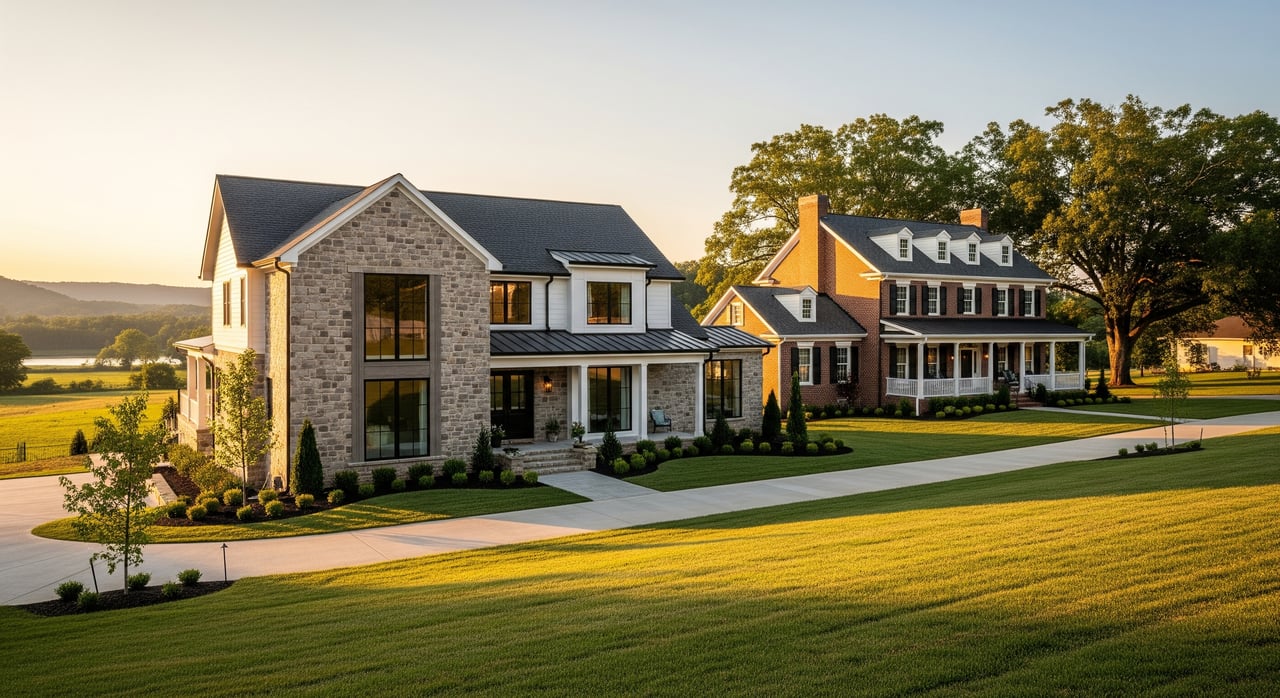
Trying to decide between a brand-new build or a resale home in Lenoir City? You’re not alone. The choice affects your budget, timing, maintenance needs, and even day-to-day convenience. In this guide, you’ll compare the real costs and tradeoffs, understand key steps in each process, and learn the local checks that matter in Loudon County. Let’s dive in.
Lenoir City basics to consider
Lenoir City sits within the greater Knoxville metro, with access to area employment, shopping, and outdoor recreation. You’ll find new subdivisions alongside established neighborhoods with mature landscaping. Proximity to Tellico Lake and regional highways can influence commute patterns and lifestyle. Before you choose, factor in utilities, HOA rules, flood considerations, and school zoning for your specific address.
New construction: benefits
New homes give you modern floor plans, up-to-date systems, and finishes that fit current tastes. Energy efficiency and newer HVAC, insulation, and windows can reduce early maintenance. Builders typically include structured warranty coverage, and you may get to select finishes or a lot if you buy early. You also benefit from current local building codes and technology-ready infrastructure.
New construction: potential drawbacks
Upfront costs can run higher once you add lot premiums and upgrades. Timelines are variable, with weather, materials, and permitting affecting delivery. Appraisals can be challenging when few comparable new homes have closed nearby. Early-phase communities may have limited shade or unfinished amenities, and HOA design rules can be more restrictive.
New construction: local checks
- Ask for a full price breakdown: base price, lot premium, upgrades, and any incentives.
- Confirm the build schedule, what happens if there are delays, and the punch-list process.
- Verify utility connections and any impact or connection fees.
- Review HOA covenants, design guidelines, and fee amounts for the subdivision.
- Check FEMA flood maps for the lot and whether flood insurance could be required.
- Determine if the home will be on municipal sewer or a septic system and plan the right inspections.
- Request written details on the warranty term and how to submit post-closing claims.
Resale: benefits
Resale homes often offer price flexibility and immediate move-in once you close. Neighborhoods are established, with mature landscaping and known traffic patterns. Appraisers can usually find recent comparable sales nearby, which helps with standard financing. You can also evaluate real utility bills, improvement history, and any past permits on the home.
Resale: potential drawbacks
Older systems may need repairs or replacement sooner than a new build. Layouts or finishes might not match your preferences without renovation. If disclosures are incomplete, hidden issues can surface during inspections or after closing, so thorough due diligence is essential.
Resale: local checks
- Order a comprehensive home inspection and add specialty inspections as needed, such as termite, radon, chimney, septic, or sewer scope.
- Review seller disclosures and county permit history for past work.
- Confirm school zoning for the address directly with the district.
- Check FEMA flood maps and proximity to waterways.
- Evaluate age and condition of roof, HVAC, water heater, windows, and plumbing.
Cost and financing differences
With new construction, you’ll compare the all-in price, not just the base. That includes lot premiums, structural options, design upgrades, landscaping, and potential builder incentives such as closing-cost help or rate buydowns. For resales, negotiations typically center on purchase price, inspection repairs, and seller concessions.
Appraisals differ, too. For unique or high-spec new builds, appraisers may have limited closed comparables, which can affect value and your required cash if there is a gap. Resale appraisals generally follow a standard approach using recent neighborhood sales. If you are financing, talk with a local lender about new-construction loan requirements and eligibility for programs like USDA, FHA, or VA, which can vary by property and location.
Timing and process
New builds follow a longer timeline that depends on permitting, materials, weather, and builder schedules. Builders usually schedule closing after a Certificate of Occupancy and completion of key punch-list items. Resale transactions typically close in 30 to 45 days, depending on financing and contingencies.
For new construction, plan for independent inspections such as pre-drywall and a final inspection before closing. For resale, your standard inspection window is the time to evaluate home condition, request repairs or credits, and confirm insurability.
Location, utilities, and lifestyle factors
In Lenoir City, proximity to regional highways can shape commute time to Knoxville or nearby employment centers. Lake access and parks add outdoor options that may influence your neighborhood choice. Newer subdivisions may include HOAs, design controls, and shared amenities. Always confirm whether a property uses municipal sewer or a private septic system, verify flood zone status, and review any local plans or rezonings that could affect future value or quality of life.
Seller tips when competing with new builds
If you’re selling a resale home near active construction, position your property to highlight what new homes cannot offer. Emphasize move-in readiness, mature landscaping, and lot size or privacy. Consider a pre-listing inspection to resolve issues upfront, offer a home warranty, and stage the home for maximum appeal. Price with awareness of local builder incentives so buyers can see the real net value of your home.
Quick decision checklist
If you’re considering new construction
- Get a written warranty and the process for submitting claims.
- Request a build schedule and clarify how delays are handled.
- Schedule independent pre-drywall and final inspections.
- Verify lot size, setbacks, and who handles landscaping.
- Obtain a full cost breakdown including upgrades, lot premium, and incentives.
If you’re considering a resale
- Order a full home inspection and any specialty inspections recommended for the property type.
- Review seller disclosures and county permit history.
- Check flood zone status and utility details, including sewer vs. septic.
- Compare similar new-build pricing to understand your alternatives.
If you’re selling a resale home
- Complete a pre-listing inspection and address cost-effective repairs.
- Offer a home warranty for buyer peace of mind.
- Highlight mature trees, yard size, and recent upgrades.
- Price strategically against nearby builder incentives.
How The Cook Team supports your choice
You deserve a clear, side-by-side comparison of your options. The Cook Team helps you price out new builds versus resales line by line, coordinate inspections at the right milestones, and structure offers that protect your interests. For sellers, our marketing-led approach, staging resources, and neighborhood-focused exposure help your home stand out even near shiny model homes.
Ready to explore Lenoir City new construction and resales with confidence? Book a Buyer Consultation with The Cook Team to get a personalized game plan.
FAQs
What costs differ most between new builds and resales in Lenoir City?
- New builds include lot premiums and upgrade packages, while resales center on negotiated price and potential repair credits; compare the total all-in cost for each.
Are builder incentives common in Loudon County?
- Incentives change frequently and by community; ask for current offerings and weigh them against list price, lot premiums, and long-term costs.
Will a new home appraise at contract price?
- It depends on available comparable sales; if comps are limited, discuss appraisal strategy and potential gaps with your lender before you finalize selections.
Is buying a resale and renovating cheaper?
- Sometimes, but it depends on the home’s condition and scope; get contractor estimates, factor time and disruption, and compare to the incremental cost of new-build upgrades.
What inspections should I order for a brand-new house?
- Schedule pre-drywall and final inspections, and add septic, radon, or termite inspections as appropriate based on property specifics.
How long is a typical builder warranty?
- Many builders offer a 1-year workmanship warranty, multi-year systems coverage, and longer structural coverage; always get the terms in writing and confirm who administers claims.
How fast can a resale close in Lenoir City?
- Most resale transactions close in about 30 to 45 days, depending on loan type, appraisal timing, and inspection negotiations.