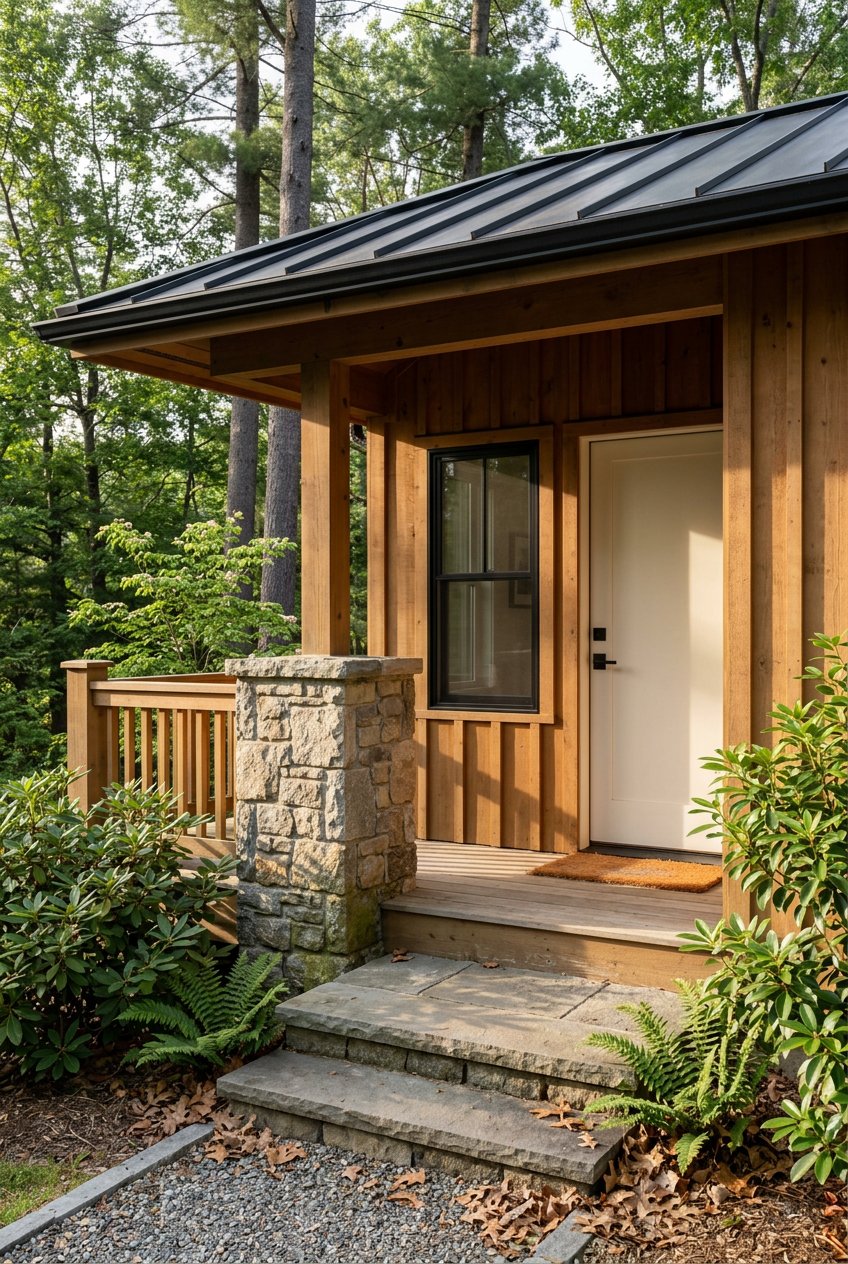
Dreaming of a Smokies cabin you can steal away to on Friday nights? If you are eyeing Sevierville, the big question is whether it works best as your personal retreat, a short-term rental, or a mix of both. The right answer changes your permits, taxes, financing, insurance, and cash flow. In this guide, you will see the local rules, typical costs and revenues, and a simple decision plan tailored to Sevierville and greater Sevier County. Let’s dive in.
Second home vs. short-term rental: which fits you
Start with your primary goal. If you want consistent personal use with minimal guest turnover, a second home keeps life simple. You will still need to budget for carrying costs, but you are not running a lodging business.
If you plan to host paying guests regularly, a short-term rental (STR) can offset expenses or generate income. You will step into permitting, hospitality tax filings, and commercial-style insurance. Your returns will vary by property quality, marketing, and season.
A hybrid can work too. Many owners use peak personal dates and open calendars the rest of the year. Just remember that personal-use days can affect tax treatment. Talk with a CPA about how mixed use impacts deductions and reporting.
Location decides your permits and taxes
Before you run numbers, confirm where the property sits. Rules differ inside Sevierville city limits versus unincorporated Sevier County.
Inside Sevierville city limits
The City of Sevierville requires an annual operational permit and a life-safety inspection for STRs. You will also register and file local hospitality taxes. The city’s lodging tax is 3%, in addition to state and local sales taxes. Review the city’s program details and filing guidance on the official pages for short-term rentals and the hospitality tax.
Unincorporated Sevier County
Sevier County launched a countywide Short-Term Rental Unit (STRU) permit program effective January 1, 2024. Owners submit an application, meet life-safety requirements, and pass an inspection. The annual permit is $250 for units that sleep 12 or fewer, with an additional $25 per occupant for larger units. Operating without a permit can trigger fines, and late applicants may need to meet current code standards. See the county’s application and steps in the official STRU materials.
For all STRs, Tennessee’s Department of Revenue explains sales and use tax, business tax, local occupancy taxes, and marketplace rules in its short-term rental manual. Register for the correct accounts and follow filing schedules for your jurisdiction.
Property tax classification can change your bill
Tennessee uses different assessment ratios for residential and commercial property. Residential is assessed at 25% of appraised value, while commercial is 40%. Sevier County has moved to classify many STRs as commercial for ad valorem tax purposes, which raises the assessed value used for your tax bill. Confirm a property’s current classification and projected bill with the County Assessor before you buy. You can review the state’s assessment framework on the Department of Revenue’s property tax overview.
Financing changes by use
Lenders generally price and structure loans differently for second homes versus investments. Typical conventional second-home loans often start around 10% down for strong borrowers, while investment property loans commonly require 15–25% down and carry higher rates. Reserve requirements also tend to be higher for second homes and investment portfolios. These are general conventions, so compare quotes and underwriting rules early. For a plain-language overview of down payment differences, see this lender summary on second-home financing basics.
If you intend to operate primarily as a nightly rental, many lenders will classify the home as an investment. Be clear about your planned use when you apply. Misstating occupancy or rental intent to obtain better terms is a serious compliance risk.
Insurance: protect the right way
Standard homeowners policies are written for owner-occupied use and often exclude routine rental activity. If you plan frequent guest stays, you will likely need a vacation-rental or landlord-style policy, or a specific short-term rental endorsement. Platform “protections” are limited and are not a substitute for proper insurance. A news overview of these gaps explains why dedicated coverage matters for hosts; it is a good primer as you speak with carriers (short-term rental insurance challenges).
Demand and seasonality in the Smokies
Visitor demand is strong. The Great Smoky Mountains National Park recorded more than 12 million recreation visits in 2024, supporting steady leisure travel into gateway communities like Sevierville, Pigeon Forge, and Gatlinburg. Check the National Park Service’s latest park statistics for context.
Tourism reports place Sevier County visitor spending in the multi-billion range, with recent years around $3.8–$3.93 billion. That scale helps explain the depth of lodging demand countywide. See county highlights in this tourism spending summary.
Market-data providers report county-level averages around the mid-40% occupancy mark and average daily rates often in the low-to-mid $300s. Performance varies widely by bedroom count, finishes, amenities like hot tubs, proximity to attractions, and management quality. Use address-level underwriting tools, such as this Sevier County market snapshot, to model your exact cabin.
Operating costs and management
Plan for both setup and ongoing operations.
- Furnishing and setup: A guest-ready cabin with furniture, kitchenware, linens, Wi-Fi, smart locks, and hot tub service can range from a few thousand dollars for a basic 1–2 bedroom to $20,000–$50,000 or more for larger, higher-end cabins.
- Recurring expenses: cleaning and turnover, property management, utilities, specialized STR insurance, supplies, maintenance and repairs, platform fees and marketing, and hospitality tax filings.
- Management: Full-service property managers in the Smokies often charge 20–35% of gross revenue. Professional pricing, marketing, and reviews can improve occupancy and ADR, but fees reduce net cash flow. Self-managing requires more owner time and reliable local vendors.
A practical path to a yes or no
Use this checklist before you commit:
- Verify jurisdiction. Confirm whether the property is inside Sevierville city limits or in unincorporated Sevier County, then review the correct permit and inspection steps on the official pages listed above.
- Get a property tax projection. Ask the County Assessor for the parcel’s current classification and a tax estimate if it is treated as a commercial STR.
- Underwrite the address. Pull an address-level market report to model seasonality, occupancy, and ADR, and run conservative cash flows.
- Compare financing options. Request pre-approvals for both second-home and investment loans, including down payment, rates, points, and required reserves.
- Confirm insurance. Speak with carriers that write vacation-rental policies or endorsements and review coverage limits and exclusions in writing.
- Clarify taxes and filings. Review Tennessee’s short-term rental tax manual to understand state sales tax, business tax, and local occupancy filings, then discuss federal treatment with a CPA.
- If renting, gather management quotes. Ask for fee schedules, sample P&Ls, occupancy and ADR for comps, and cleaning and safety protocols.
Not sure which path is right for you? Talk with a local expert who knows the cabins, the rules, and the numbers. When you are ready to explore properties and weigh the tradeoffs, connect with The Cook Team to Book a Buyer Consultation.
FAQs
What permits do you need to rent a Sevierville cabin short term?
- Inside Sevierville city limits you need the city’s operational permit and a life-safety inspection; in unincorporated Sevier County you need the county STRU permit and inspection.
How much are Sevier County’s STRU permit fees in 2024?
- The annual fee is $250 for units sleeping 12 or fewer, plus $25 per additional occupant; fines can apply for operating without a permit and late applicants may face code upgrades.
What lodging and sales taxes apply to Sevierville STRs?
- Expect Tennessee sales and use tax, local occupancy or hospitality taxes, and city lodging tax of 3% inside Sevierville, with registration and filings per the state’s short-term rental manual.
How do lenders view a Smokies cabin you plan to rent?
- Frequent nightly rentals are often treated as investment properties with larger down payments and higher reserve needs than second homes; get quotes for both scenarios.
Is standard homeowners insurance enough for a Sevierville STR?
- Usually not; many carriers require a vacation-rental or landlord policy or an STR endorsement, and platform protections are limited, so confirm proper coverage with your insurer.