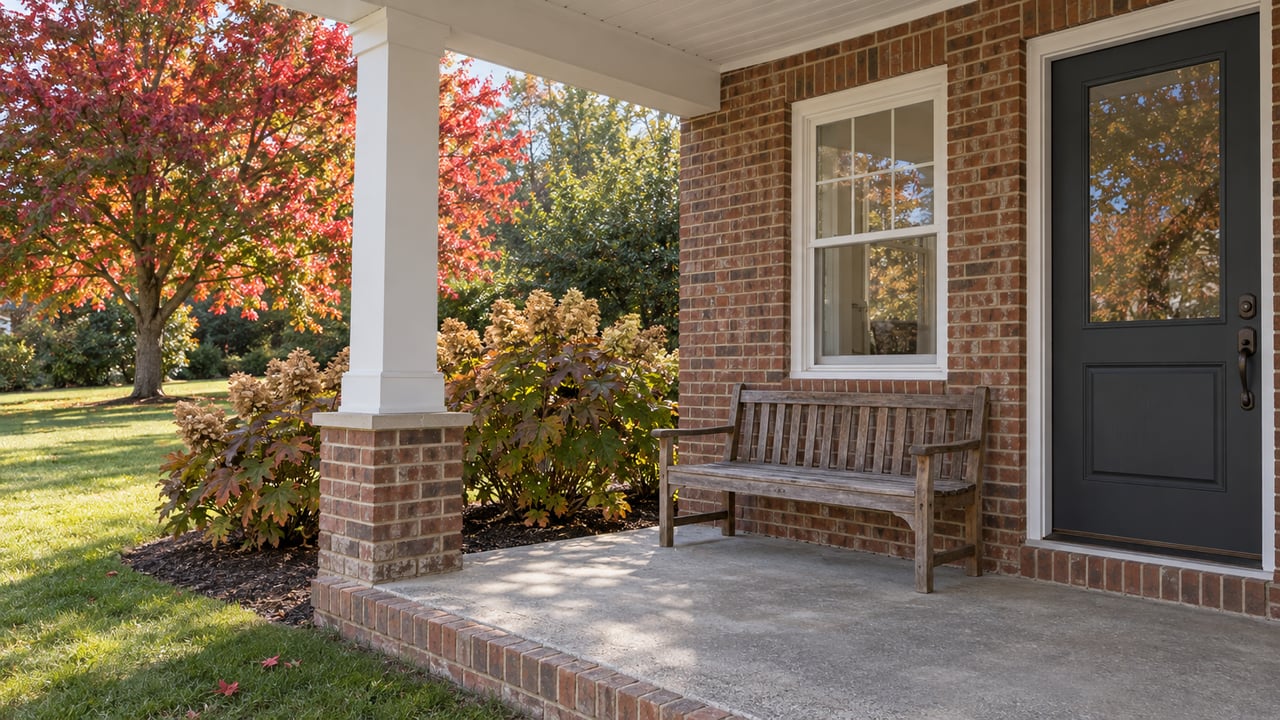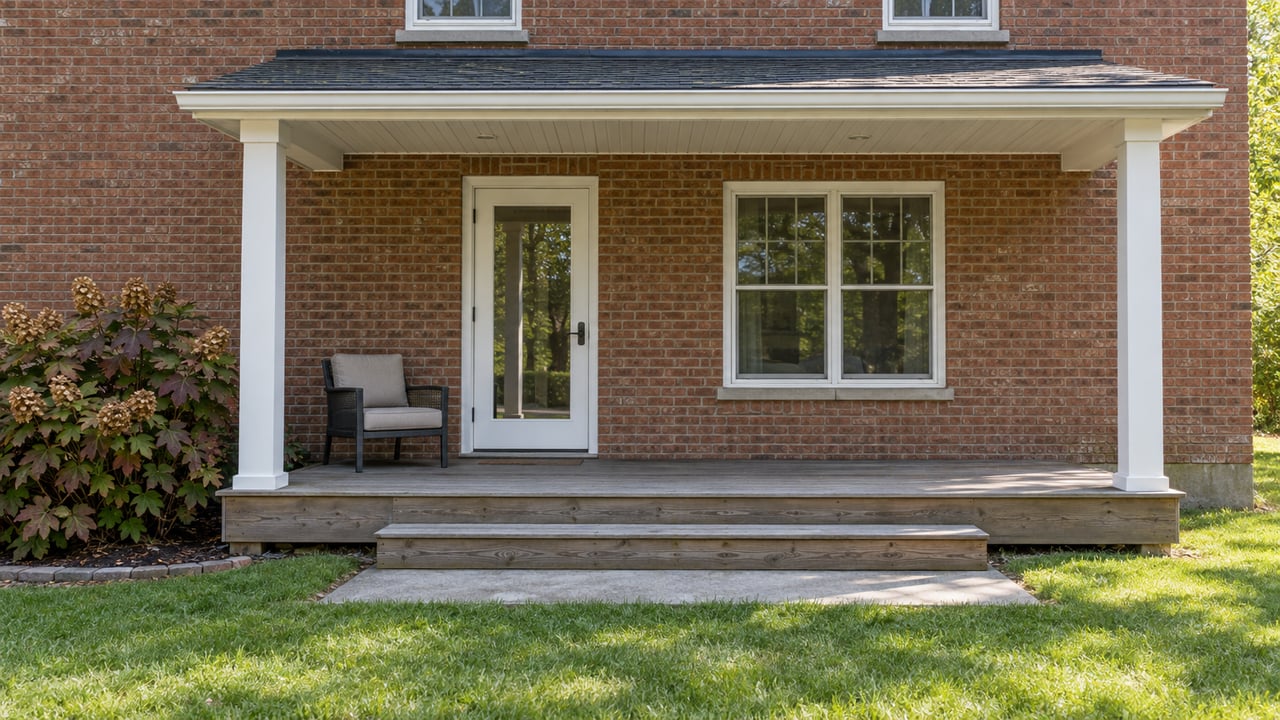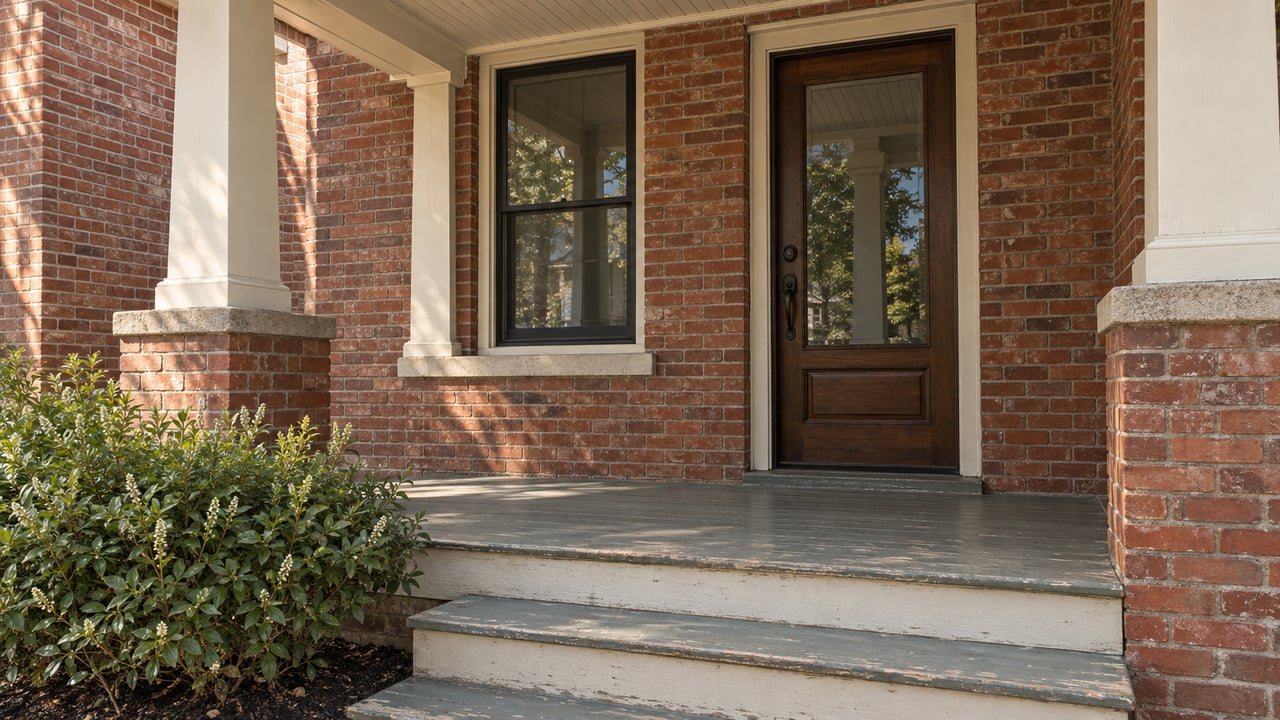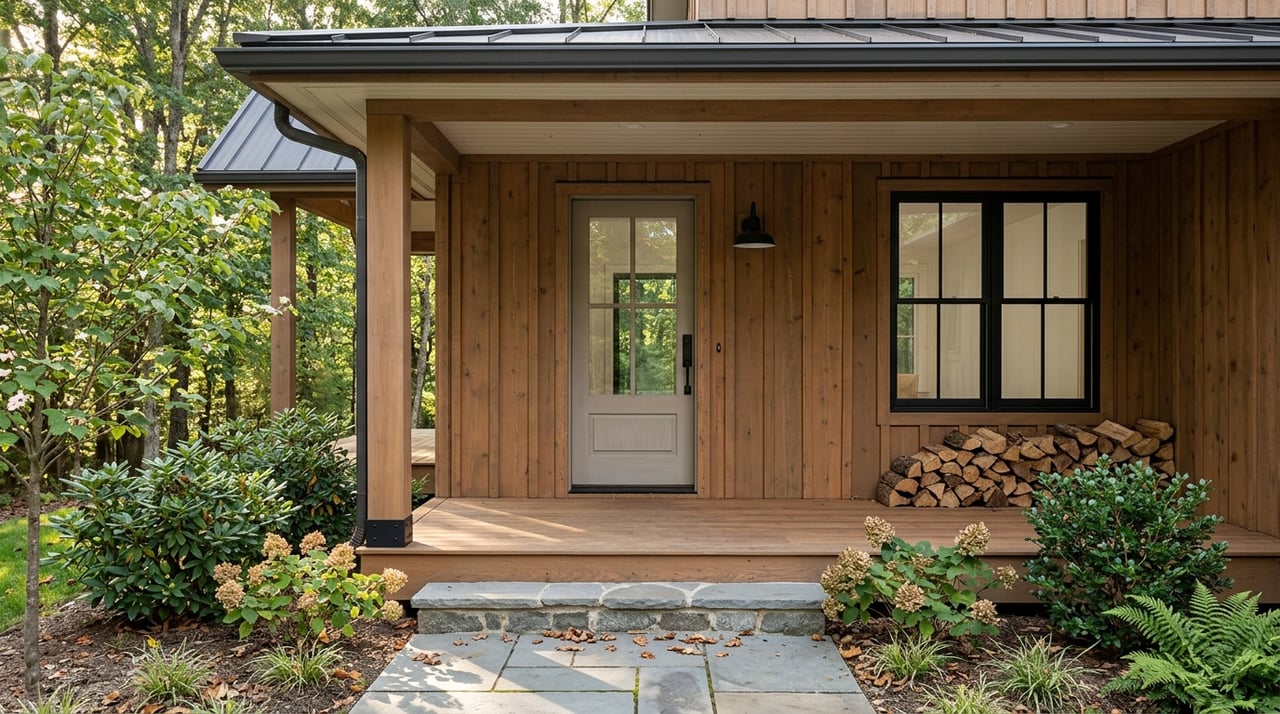
Dreaming about a cabin in Sevierville usually starts with the view, the porch, and the idea of slowing down. But everyday life here is not just about mountain charm. It is also about living near one of the busiest outdoor destinations in the country, managing changing seasons, and understanding what cabin ownership really looks like day to day. If you are thinking about buying a cabin in Sevierville for personal use, part-time stays, or possible rental income, this guide will help you picture the lifestyle more clearly. Let’s dive in.
Sevierville Cabin Life at a Glance
Sevierville sits in the foothills of the Great Smoky Mountains and serves as a gateway to the national park. That location shapes the entire ownership experience. You get mountain access and scenic surroundings, but you also live near a major tourism hub that stays active throughout the year.
Great Smoky Mountains National Park is open 24 hours a day, 365 days a year, though some roads and facilities follow seasonal schedules. The park also draws enormous traffic. The National Park Service reported 11.5 million visitors in 2025, and visitor spending in 2024 supported $2.2 billion in gateway-region economic activity.
That means cabin ownership in Sevierville often feels more connected than remote. Even if your property feels tucked away, the surrounding area can be busy, especially during peak travel months.
What the Seasons Feel Like
Owning a cabin here means your routine changes with the calendar. Weather, traffic, maintenance, and visitor activity all shift from season to season.
Spring Brings Rain and Reset Time
Spring is a practical season for cabin owners. NOAA climate normals for Sevierville show steady precipitation, and that makes spring a smart time to check drainage, clean outdoor areas, and handle deep maintenance before the busiest part of the year.
If you own a cabin with outdoor steps, decks, or sloped access, spring is also a good time to spot wear and tear. Water flow, leaf buildup, and moisture issues matter more in mountain settings than many buyers expect.
Summer Feels Active and Busy
Summer is the warmest stretch of the year, with a July mean temperature of 78.3°F. It is also one of the busiest times for the Smokies, so expect more visitors, fuller roads, and a faster pace around town.
This is also when bear activity is especially high. The National Park Service says bear activity peaks from May through August, which makes trash storage, grill cleanup, and outdoor food handling part of normal cabin upkeep.
Fall Is Beautiful and Crowded
For many people, fall is the dream season in Sevierville. It is also the most crowded. The National Park Service notes that October is the busiest month of the year in the Smokies, and lower- and mid-elevation fall color is usually best from mid-October through early November.
If you own a cabin during fall, you will likely enjoy some of the area’s best scenery. You should also expect heavier traffic and longer travel times, especially on popular routes and weekends.
Winter Is Quieter but Still Calls for Planning
Winter in Sevierville is cooler and calmer, but it is not usually a deep-snow mountain market. NOAA data shows a January mean temperature of 38.2°F, annual snowfall of 3.6 inches, and annual precipitation of 48.78 inches.
That said, winter ownership still requires attention. Cold weather, rain, and occasional snow can affect access, and the park’s year-round operation does not guarantee every road or facility will be unaffected by weather.
Traffic and Access Are Part of Daily Life
One of the biggest lifestyle shifts for new cabin owners is learning that mountain access comes with tradeoffs. The National Park Service warns that roads in the Smokies can include narrow lanes, blind curves, steep drop-offs, heavy traffic, wildlife crossings, and very limited cell service.
If you are used to suburban driving, this can be an adjustment. A quick drive on a map may feel longer in real life, especially during peak seasons or after dark.
For second-home owners and remote buyers, this matters in practical ways:
- Arrival instructions need to be clear
- Travel timing matters more during busy months
- Emergency planning should be simple and realistic
- Cell service gaps can affect communication
These details may sound small, but they shape how smooth cabin ownership feels over time.
Wildlife Is Not Just a Scenic Bonus
Seeing wildlife is part of the Smokies experience, but for cabin owners, it is also a responsibility. Bears are especially active from May through August, according to the National Park Service.
That means everyday habits matter. Outdoor coolers, trash bags, grills, and leftover food can attract unwanted animal activity if they are not handled carefully.
A cabin lifestyle in Sevierville usually works best when you build a few routines into your normal schedule:
- Store trash securely
- Keep outdoor cooking areas clean
- Remove food from porches and decks
- Double-check coolers and storage bins
- Stay alert when arriving after dark
In other words, mountain living is enjoyable, but it works best when you treat nature with respect.
Maintenance Has a Mountain Twist
Every home needs upkeep, but cabins in Sevierville often require a different maintenance mindset. Moisture, winding access roads, limited cell service, and fire-safety expectations all add layers to ownership.
Spring and early summer are often useful times to inspect drainage, exterior surfaces, and outdoor living areas. Fall can be a good time to prepare for colder weather and check access conditions before winter sets in.
If your cabin has fireplaces, decks, grills, or multiple levels, regular maintenance becomes even more important. The goal is not to make ownership feel complicated. It is to understand that mountain properties usually reward owners who stay ahead of small issues.
If You Plan to Rent the Cabin
Many buyers are drawn to Sevierville cabins because they may work as personal retreats and short-term rentals. That can be possible, but the rules depend on where the property is located.
Inside Sevierville city limits, the city requires an annual operational permit and life-safety inspection for short-term rentals. The city states that it uses the 2021 International Fire Code with amendments.
In unincorporated Sevier County, a short-term rental permit is also required, with 12-month validity pending inspection. County inspection materials highlight several safety requirements, including:
- Visible address numbers
- Working smoke alarms
- Working carbon monoxide alarms
- Fire extinguishers on each level
- Annual chimney and firebox cleaning
- Annual dryer duct cleaning
- Restrictions on grills and open-burning devices
The city also advises owners to verify whether a property is inside Sevierville city limits before starting a short-term rental. That is an important first step because the process and requirements can differ based on location.
Remote Ownership Usually Needs a Local Plan
If you will not be in Sevierville full time, it helps to think through how the property will be managed. Sevier County’s short-term rental application allows for self-management or a property manager, and it requires a local contact for problems or emergencies.
That reflects a larger truth about cabin ownership here. Even a beautiful getaway needs day-to-day support, especially when weather, guest needs, or maintenance issues come up.
For many buyers, a smooth ownership experience depends on building a dependable local plan early. That may include knowing who will check on the property, respond to issues, and help you stay organized through the seasons.
Taxes and Compliance Still Matter
If your cabin will be rented for short stays, tax compliance is part of the ownership picture. The Tennessee Department of Revenue says that short-term rental unit marketplaces offering residential dwellings for fewer than 30 continuous days must remit local occupancy tax to the department, while non-marketplace providers remit to the local jurisdiction.
You do not need to memorize every rule before you start shopping, but you should know that rental use comes with compliance responsibilities. A clear plan from the beginning can help you avoid surprises later.
Who Enjoys Sevierville Cabin Ownership Most?
Sevierville cabin ownership often appeals to buyers who want a mix of scenery, flexibility, and year-round use. It can work well if you like the idea of having a personal retreat while staying connected to a lively destination area.
It may be a strong fit if you are looking for:
- A second home with access to outdoor recreation
- A property for family gatherings and seasonal stays
- A cabin with possible short-term rental use, subject to local rules
- A mountain lifestyle without the expectation of severe winter conditions
The right fit usually comes down to expectations. If you picture total isolation and zero traffic, Sevierville may feel busier than expected. If you want access, scenery, and a property that can serve more than one purpose, it may feel like a very smart match.
The Real Everyday Experience
The everyday lifestyle of owning a cabin in Sevierville is a balance of beauty and responsibility. You get changing mountain seasons, quick access to outdoor adventure, and a setting that feels special year-round.
You also need to plan for visitor traffic, mountain driving, wildlife awareness, and routine upkeep. For many buyers, that tradeoff is well worth it because the lifestyle is not just about owning a property. It is about owning a place people genuinely want to be.
If you are exploring cabins in Sevierville and want guidance grounded in local market knowledge, The Cook Team can help you evaluate locations, ownership goals, and the day-to-day realities that matter before you buy.
FAQs
What is everyday cabin life like in Sevierville?
- Everyday cabin life in Sevierville usually includes scenic surroundings, seasonal tourism, mountain-road driving, routine property upkeep, and awareness of weather and wildlife.
What is the busiest time of year for Sevierville cabin owners?
- The busiest stretch is generally late spring through fall, with June through October seeing heavy visitation and October being the busiest month in the Smokies.
How much snow should Sevierville cabin owners expect?
- Sevierville averages about 3.6 inches of snow annually, so winter is usually milder than many mountain markets, though cold weather and weather-related access issues still matter.
What makes Sevierville cabin maintenance different from a typical home?
- Cabin maintenance often includes drainage checks, wildlife precautions, mountain-access planning, limited cell service considerations, and recurring fire-safety upkeep.
Can you use a Sevierville cabin as a short-term rental?
- Possibly, but short-term rental use depends on the property location and requires the applicable city or county permit and compliance steps.
What should remote buyers know about owning a cabin in Sevierville?
- Remote buyers should plan for local support, clear emergency contacts, and a reliable system for handling maintenance, access issues, and any rental-related responsibilities.